Airway Dentist in Royal Palm Beach, FL
Helping patients breathe better and sleep more soundly through airway-focused dental care.
What is Airway Dentistry?
If you wake up exhausted after a full night of sleep, grind your teeth at night, or your partner keeps nudging you about snoring, your airway may be the reason. Airway dentistry looks at how the structure of your mouth and jaw affects your ability to breathe, especially while you sleep. When the jaw sits too far back, the tongue crowds the throat, or the palate is too narrow, airflow gets restricted. The result is snoring, restless sleep, morning headaches, chronic fatigue, and in more serious cases, sleep apnea.
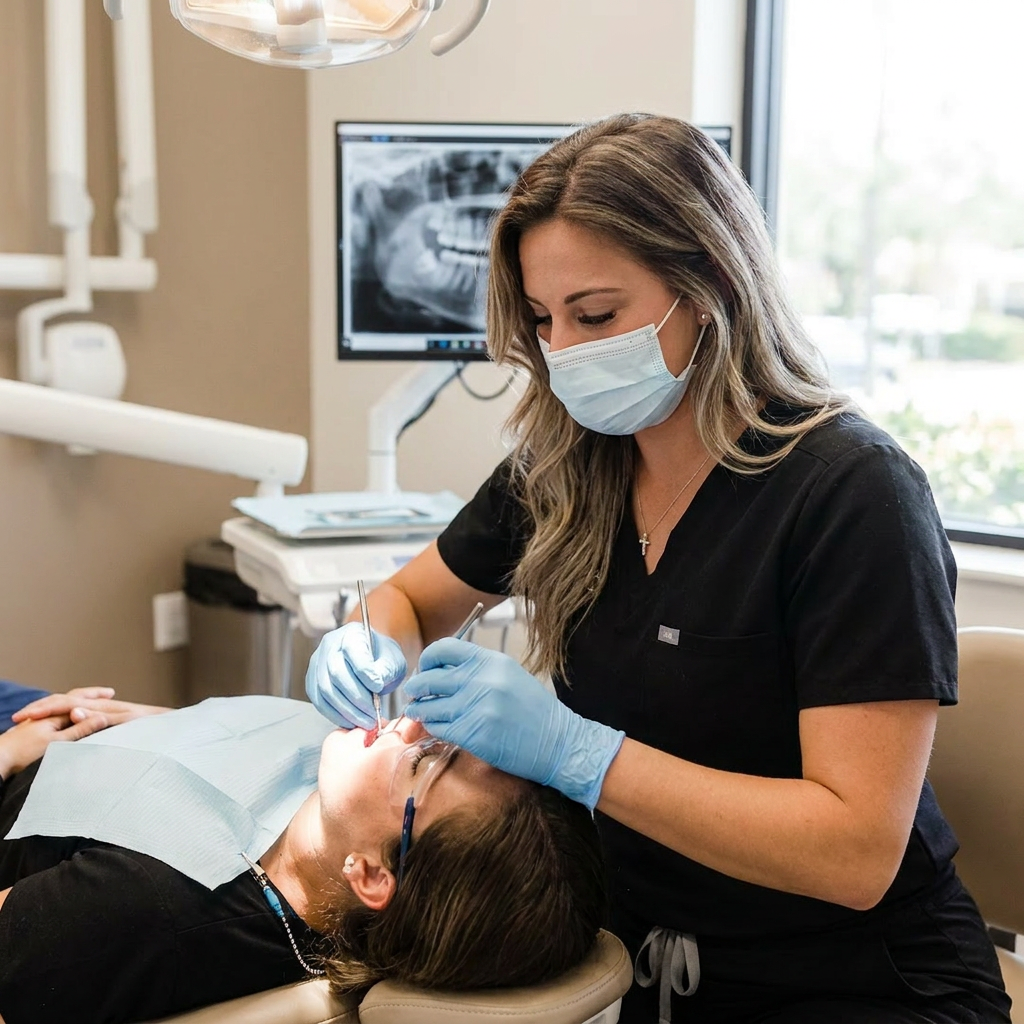
At Pearl Palm Beach Dental, Dr. Civetti evaluates these structural factors as part of an airway assessment. For many patients, a custom oral appliance worn at night is enough to keep the airway open, stop the snoring, and get real rest again, without a CPAP machine, without surgery, and without medication.
Benefits of Airway Dentistry
Airway dentistry addresses sleep and breathing issues at their source, helping you achieve restful sleep and improved overall health.
Improved Sleep Quality
Airway dentistry opens restricted breathing passages, reducing snoring and sleep disruptions. You'll wake up feeling more rested and energized each morning.
Enhanced Overall Health
Better breathing during sleep supports your cardiovascular system, immune function, and mental clarity. Proper airway function benefits your entire body.
Patient-Friendly Dental Care
Many airway issues can be addressed through comfortable oral appliances and gentle procedures that work with your natural anatomy for lasting results.
Who Needs Airway Dentistry?
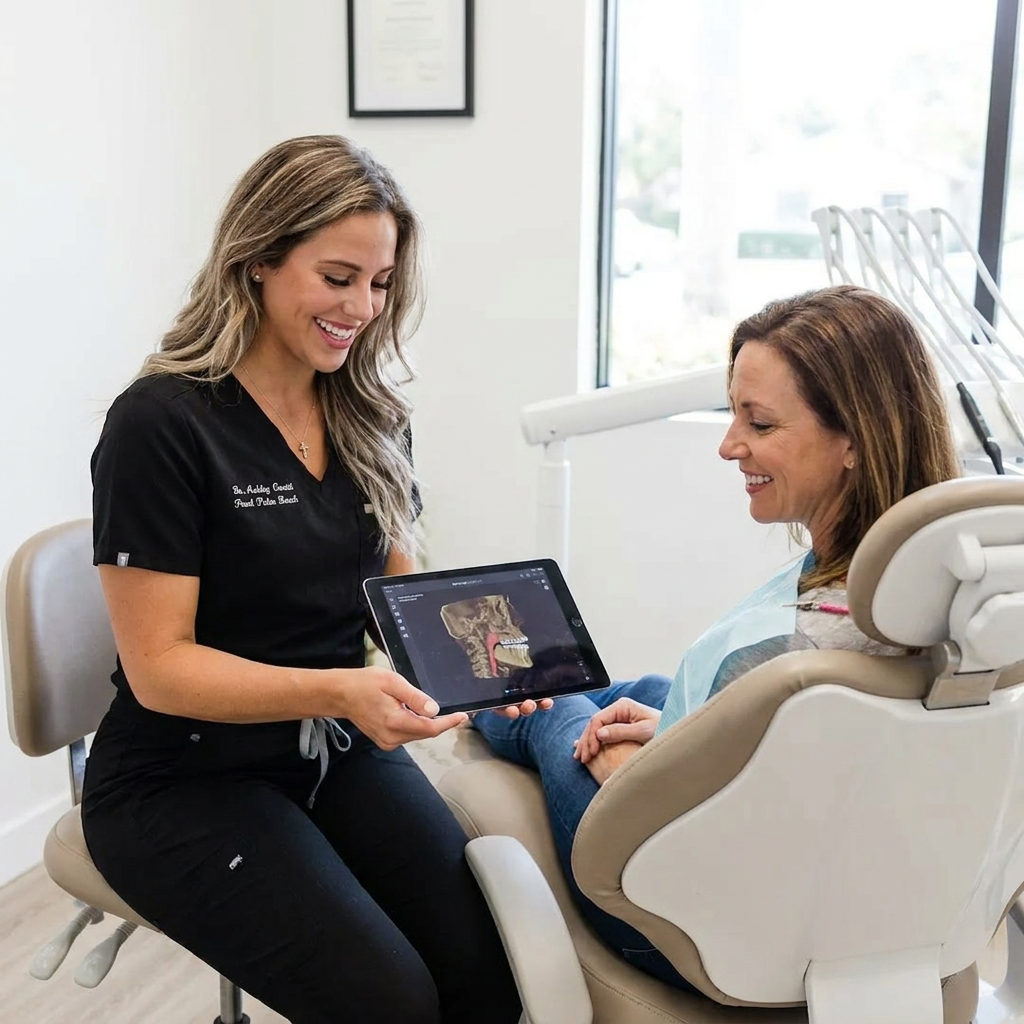
Airway dentistry is worth exploring if you recognize any of these in yourself or someone in your family. You snore loudly and wake up still tired. You've been told you stop breathing in your sleep. You've tried a CPAP machine and can't tolerate it. You grind or clench your teeth at night. You wake up with headaches most mornings. You breathe through your mouth during the day or while sleeping. You feel exhausted no matter how many hours you sleep.
Children show different signs: mouth breathing while awake, restless or sweaty sleep, snoring, bedwetting past toddler age, or behavioral issues that look like ADHD. These are often airway-related and respond well to early treatment. You don't need a sleep apnea diagnosis to be seen. If something feels off about how you sleep or breathe, that's reason enough to get evaluated.
Who Needs Airway Dentistry?
Airway dentistry is worth exploring if you recognize any of these in yourself or someone in your family. You snore loudly and wake up still tired. You've been told you stop breathing in your sleep. You've tried a CPAP machine and can't tolerate it. You grind or clench your teeth at night. You wake up with headaches most mornings. You breathe through your mouth during the day or while sleeping. You feel exhausted no matter how many hours you sleep.
Children show different signs: mouth breathing while awake, restless or sweaty sleep, snoring, bedwetting past toddler age, or behavioral issues that look like ADHD. These are often airway-related and respond well to early treatment. You don't need a sleep apnea diagnosis to be seen. If something feels off about how you sleep or breathe, that's reason enough to get evaluated.
Advanced Airway Dentistry Technology
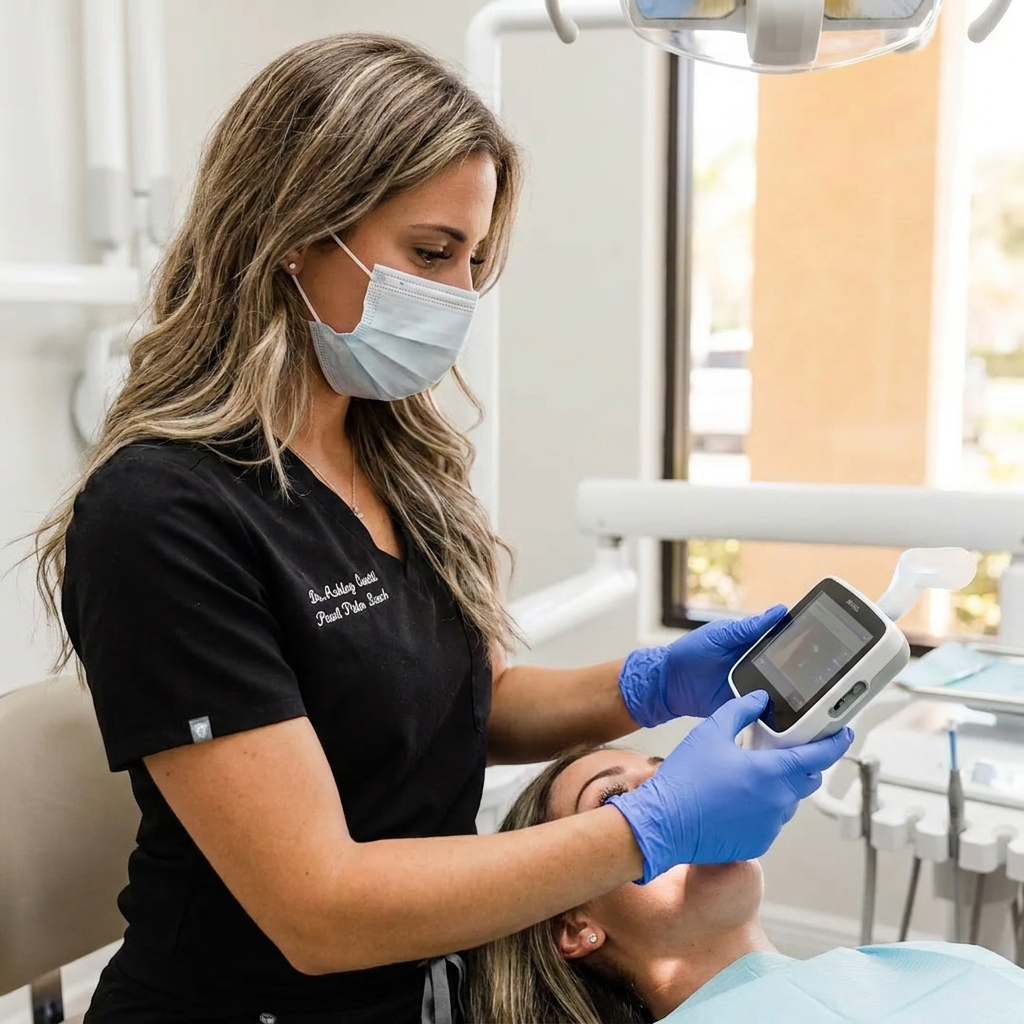
Guessing has no place in airway dentistry. Before Dr. Civetti recommends anything, she needs to see what your airway is actually doing while you breathe. A CBCT scan gives her that view, a detailed 3D image that maps your jaw, sinuses, and throat together in a single picture. Where a flat X-ray only hints at a problem, this shows the exact spot where your airflow narrows and how much room you have left.
Pearl Palm Beach Dental is also DreamSleep™ Certified, so your results do not stop at our door. Our team is trained in oral appliance therapy and works directly with physicians who diagnose obstructive sleep apnea. If your scan and sleep study point that way, we handle the referral and coordinate your sleep apnea care from there, so you are not left chasing appointments between two offices on your own.
What to Expect During Your Visit
Your airway evaluation begins with a comprehensive assessment of your breathing patterns, sleep quality, and jaw position. The dentist will examine your oral structures, throat, and nasal passages using advanced imaging technology. This detailed process typically takes 60-90 minutes and helps identify any restrictions affecting your airway.
After your evaluation, you'll receive a personalized treatment plan addressing your specific airway concerns. Recovery varies based on recommended treatments, but most patients notice improved sleep and breathing within weeks. Regular follow-up appointments ensure your progress and allow for any necessary adjustments to optimize your results.
Before Your Appointment
- Complete your sleep questionnaire thoroughly to help your dentist understand your symptoms.
- Bring any sleep study results or CPAP equipment information you have from previous treatments.
- Note your sleep patterns and breathing issues for the week before your visit.
After Your Appointment
- Follow any breathing exercises or sleep position recommendations your dentist provided.
- Track your sleep quality and note any changes in snoring or breathing patterns.
- Keep follow-up appointments to monitor your airway health and treatment progress.

-
-
-
-
-
What Our Patients Love About Us
- 11+YEARS SERVING
- 18K+HAPPY PATIENTS
- 98%SATISFACTION RATE

We have moved recently and needed a new dentist. This is actually a happy place. The female staff is outstanding. All the equipment is first class up to date. I couldn’t have asked for a better introductory experience. Our next appointment is already set. Would definitely recommend.
I personally have a pretty deep seated fear of dentistry. The entire team at Pearl goes above and beyond to make you feel secure and comfortable without fear. I am thrilled to have found them!
Dr. Civetti is a wonderful dentist! She is warm, professional, and gentle. Her staff is also fantastic. I cannot speak highly enough about Dr. Civetti and everyone at her practice.
Dr. Civetti and her entire staff make a trip to the dentist pleasant! They are kind, caring and compassionate! They are all professional and she has state of the art equipment that make your experience painless!
Was my first time here, and it was a fantastic dental experience. Dr. Civetti and her assistant Kelly are amazing. Dr. Civetti is not rushed, and takes time to explain everything. And she has a focus on overall health beyond the teeth and gums. I was also impressed with the investment she has made in the latest dental technologies.
Wonderful office. Dr. Civetti and staff treat you so warmly—just like family every-time. I have been going to this office for years and am always happy. Professional, competent, and caring.
Frequently Asked Questions
What does it mean that Pearl Palm Beach Dental is DreamSleep™ Certified?
DreamSleep™ is a national network of dentists and physicians who work together on obstructive sleep apnea. Being certified means our whole sleep team has trained in sleep medicine and oral appliance therapy, and that we partner with physicians for testing and diagnosis instead of handling it alone. If your airway evaluation points toward sleep apnea, we refer you to a qualified physician for a diagnosis first, then coordinate your treatment and follow-up from there.
Can mouth breathing cause dental problems?
Yes. Breathing through your mouth long-term affects jaw development, tooth alignment, and gum health. It dries out the mouth, which increases the risk of cavities and gum disease. It can also change the shape of the palate over time. Dr. Civetti screens for mouth breathing as part of an airway evaluation because fixing the breathing habit often helps the dental issues too.
How is airway dentistry connected to TMJ problems?
The jaw position and the airway are closely linked. When the airway is narrow, the jaw often shifts forward or backward to compensate, which puts strain on the TMJ. Many patients dealing with jaw pain, clicking, or headaches have an underlying airway component that gets missed when only the joint is treated. Dr. Civetti looks at both together.
Is an oral appliance better than a CPAP machine?
For patients with mild to moderate sleep apnea, oral appliances are a proven alternative to CPAP. They are smaller, quieter, and easier to travel with. Many patients who have tried CPAP and found it uncomfortable do well with an oral appliance instead. The right choice depends on the severity of your condition. Dr. Civetti can help you understand your options and, if needed, coordinate with your doctor or a sleep specialist.
What happens if sleep apnea or airway problems go untreated?
Untreated sleep-disordered breathing has been linked to high blood pressure, heart disease, stroke, Type 2 diabetes, and chronic daytime fatigue that affects work and driving. In children, untreated airway issues can affect growth, behavior, and learning. It is not a condition that tends to improve on its own without some form of intervention.
Schedule an Appointment Today
We welcome patients of all ages. Reach out and our friendly team will help you find a time that works perfectly for your schedule.
 Phone Number
 Email Address
- 1151 Royal Palm Beach Blvd, Royal Palm Beach, FL 33411
 Location
  CLINIC HOURS
Mon – Thu: 7:00 AM – 3:00 PM
Fri – Sun: Closed
Stay Informed with Expert Insights & Tips About Airway Dentistry

No Related Blog Posts Yet
We're working on new articles to help you care for your smile. Check back soon for updates from the Pearl Palm Beach Dental Team.