Back to Blogs

Why Bottom Dentures Feel Different

Bottom dentures often face unique challenges due to limited jaw ridge and tongue interference, but solutions like relines and implant-supported dentures can significantly improve comfort and…

July 10, 2026
2 min read
Ashley holds a new lower denture case on her nightstand in her bedroom, a contented look on her face.
Back to Blogs
Ashley holds a new lower denture case on her nightstand in her bedroom, a contented look on her face.

Why Bottom Dentures Feel Different

Bottom dentures often face unique challenges due to limited jaw ridge and tongue interference, but solutions like relines and implant-supported dentures can significantly improve comfort and…

July 10, 2026
2 min read

The Unique Challenge of Lower Dentures

For many, adjusting to lower partial dentures or complete bottom dentures can present a unique set of challenges compared to their upper counterparts. Unlike upper dentures that benefit from a broad palate for suction, lower dentures rest on a significantly smaller, more mobile ridge. This can lead to issues with stability and comfort, impacting everyday activities.

Ashley, a woman in her early sixties, recently found herself struggling with her new set of bottom dentures. She had hoped for the same secure feeling she experienced with her old upper denture. Instead, she felt constant movement and irritation.

Her main goal was to enjoy meals with her grandchildren without the embarrassment of her dentures shifting. Dr. Civetti and her team at Pearl Palm Beach Dental committed to helping Ashley find a comfortable and stable solution.

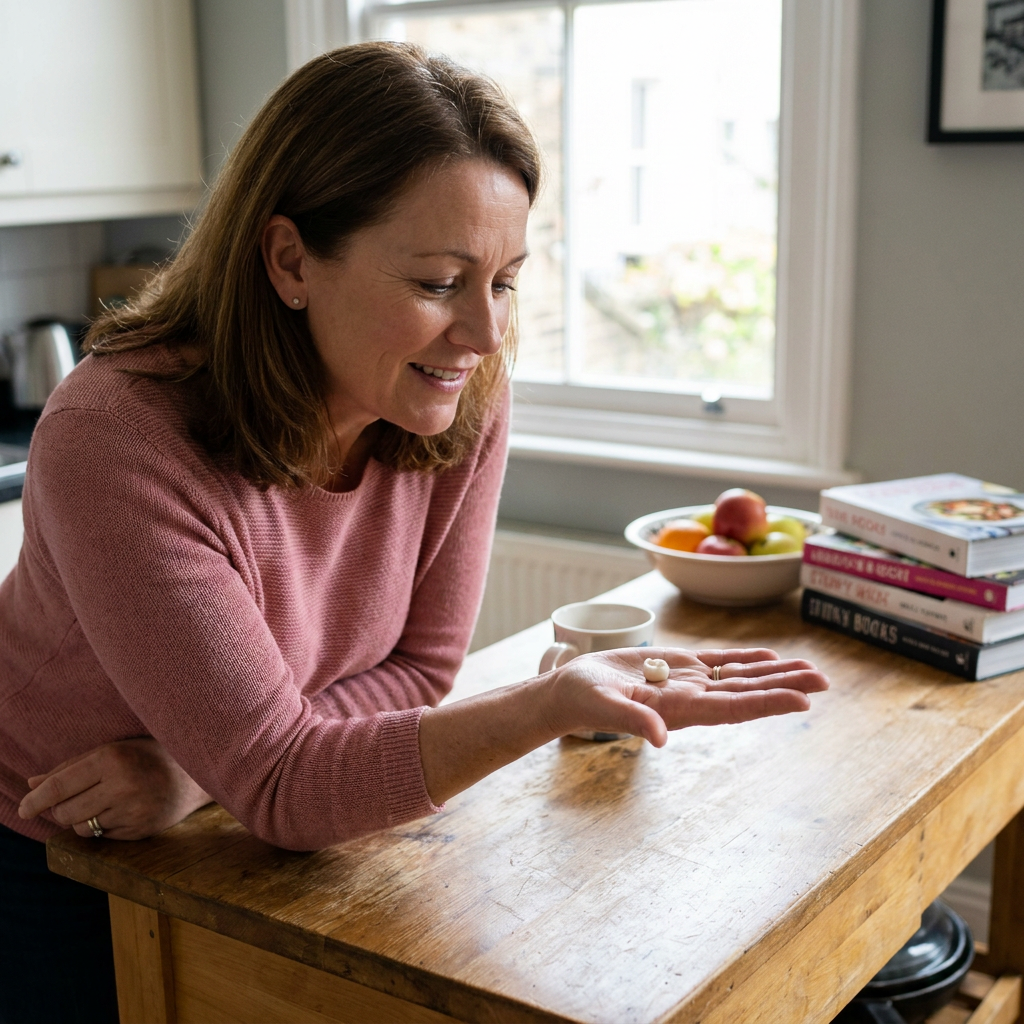
Ashley, a woman in her early sixties, sits at a kitchen table, looking thoughtfully at a bottom denture in her hand with a slight frown.

How Do Dentures Stay In?

Upper dentures typically rely on a combination of suction and surface tension across the roof of the mouth, which provides a significantly larger area for adhesion. This natural seal helps to hold them firmly in place. Lower dentures, however, lack this expansive area.

Ashley quickly understood this physical difference after her initial consultation with Dr. Civetti. The constant pressure from her tongue and cheeks also played a role in dislodging them. Dr. Civetti patiently explained the anatomical reasons behind Ashley's discomfort.

  • Limited Surface Area: The lower jaw ridge is much smaller.
  • Tongue Interference: The tongue constantly shifts, dislodging the denture.
  • Saliva Management: Too much or too little saliva can affect adhesion.
  • Bone Resorption: The jawbone naturally shrinks over time, altering fit.
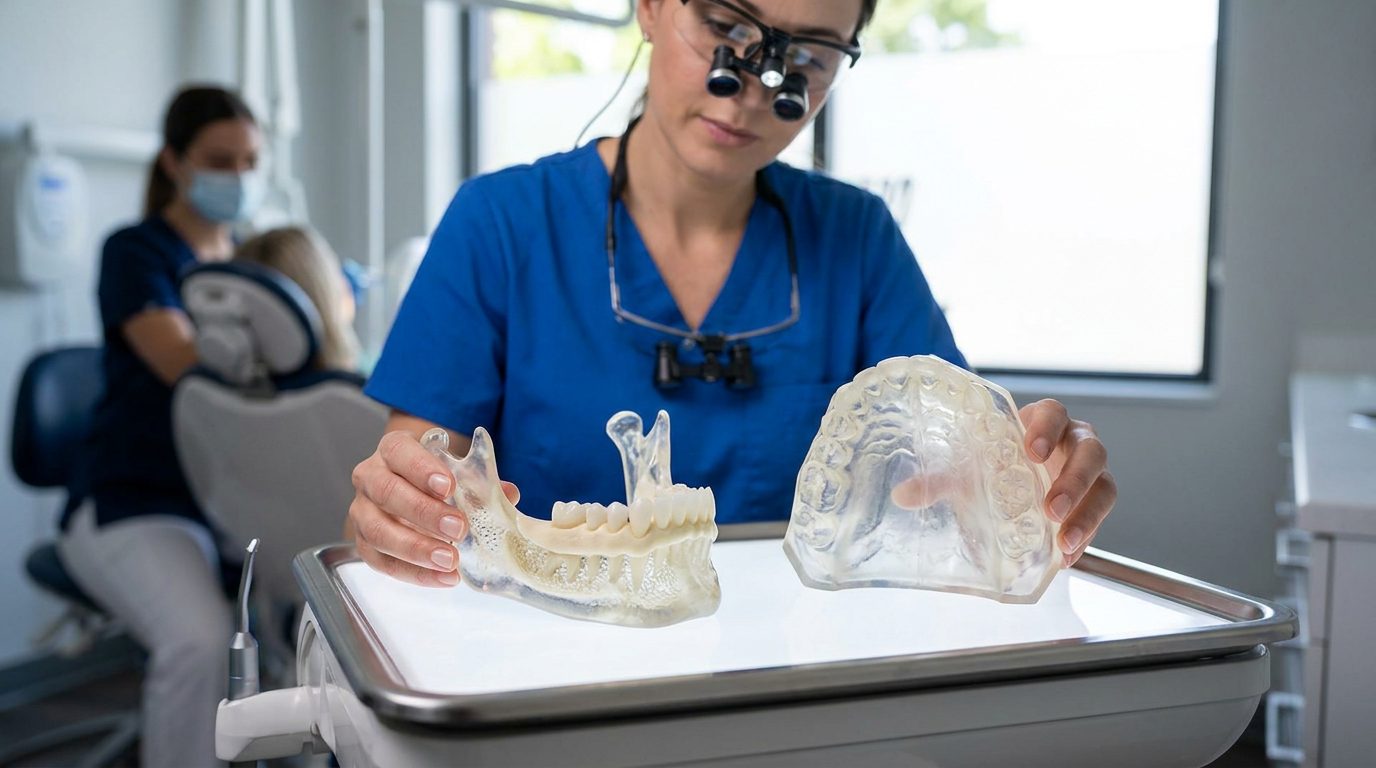
A detailed, transparent 3D anatomical model of a lower jaw showing the compact bone ridge where a denture would sit, contrasting with a translucent upper jaw model highlighting the broad palate.

Common Lower Denture Problems

Many individuals experience a range of lower denture problems that can significantly impact their quality of life. These issues often stem from the inherent instability of lower dentures. Ashley found herself frequently embarrassed, especially when eating or speaking with others.

Her primary complaints included slipping during meals and an inability to pronounce certain words clearly. She felt constantly self-conscious about her shifting appliance. Dr. Civetti reassured Ashley that her experiences were very common.

  • Slipping and Shifting: Dentures move, causing discomfort and instability.
  • Speech Difficulties: Pronunciation can become muffled or unclear.
  • Sore Spots and Irritation: Rubbing against gum tissue creates painful areas.
  • Reduced Chewing Efficiency: Eating chewy or hard foods becomes challenging.
Ashley, a woman in her early sixties, subtly touches her cheek with a concerned expression while trying to speak to a blurred friend across a cafe table, illustrating speech difficulties.

What Happens If Lower Dentures Don't Fit?

When lower dentures don't fit properly, the consequences extend beyond mere discomfort, impacting overall health and well-being. Chronic irritation can lead to mouth sores and increased risk of infection. Ashley experienced painful spots that made eating a dreaded activity.

Furthermore, a poor denture fit can limit a person's diet, potentially leading to nutritional deficiencies. Dr. Civetti emphasized that addressing these issues promptly is crucial. A well-fitting denture is essential for both function and comfort.

Close-up, slightly blurred shot of a plate of vibrant, colorful vegetables and lean protein, half-eaten, suggesting a diet limited by uncomfortable chewing.

Schedule an Appointment Today

Ready to explore comfortable and stable denture solutions? Contact Pearl Palm Beach Dental to consult with Dr. Ashley Civetti and her experienced team. They are dedicated to helping you achieve lasting comfort and confidence with your smile.

Improving Denture Fit Issues

Several strategies can help improve problems with denture fit issues, ranging from simple adjustments to more advanced solutions. The goal is always to achieve maximum stability and comfort for the patient. Ashley was keen to explore all her options.

Dr. Civetti first recommended a professional re-evaluation of Ashley's existing denture for relining. This process reshapes the denture's base to fit the current contours of the gums. This can provide a noticeable improvement for many patients.

  • Denture Adhesives: These temporary solutions enhance retention.
  • Relines and Rebases: Professional adjustments to improve internal fit.
  • Soft Liners: A cushioning layer added for increased comfort.
  • New Design: Sometimes, an entirely new denture is necessary.
A skilled dental hygienist, carefully applies a reline material to the base of a lower denture on a lab bench in a bright, clean dental lab setting.

When to Consider Implant-Supported Dentures

For those seeking the most stable and long-term solution, implant-supported dentures offer a significant upgrade in security and function. These dentures attach directly to dental implants surgically placed in the jawbone. This provides unparalleled stability.

Ashley learned about this option from Dr. Civetti, who explained how implants eliminate slipping and improve chewing ability. The implants act like sturdy anchors, much like natural tooth roots. This method vastly enhances comfort and confidence.

This approach often allows patients to eat a wider variety of foods. It also prevents further bone loss in the jaw, which is a common problem with traditional dentures. Implants can truly transform a patient's quality of life.

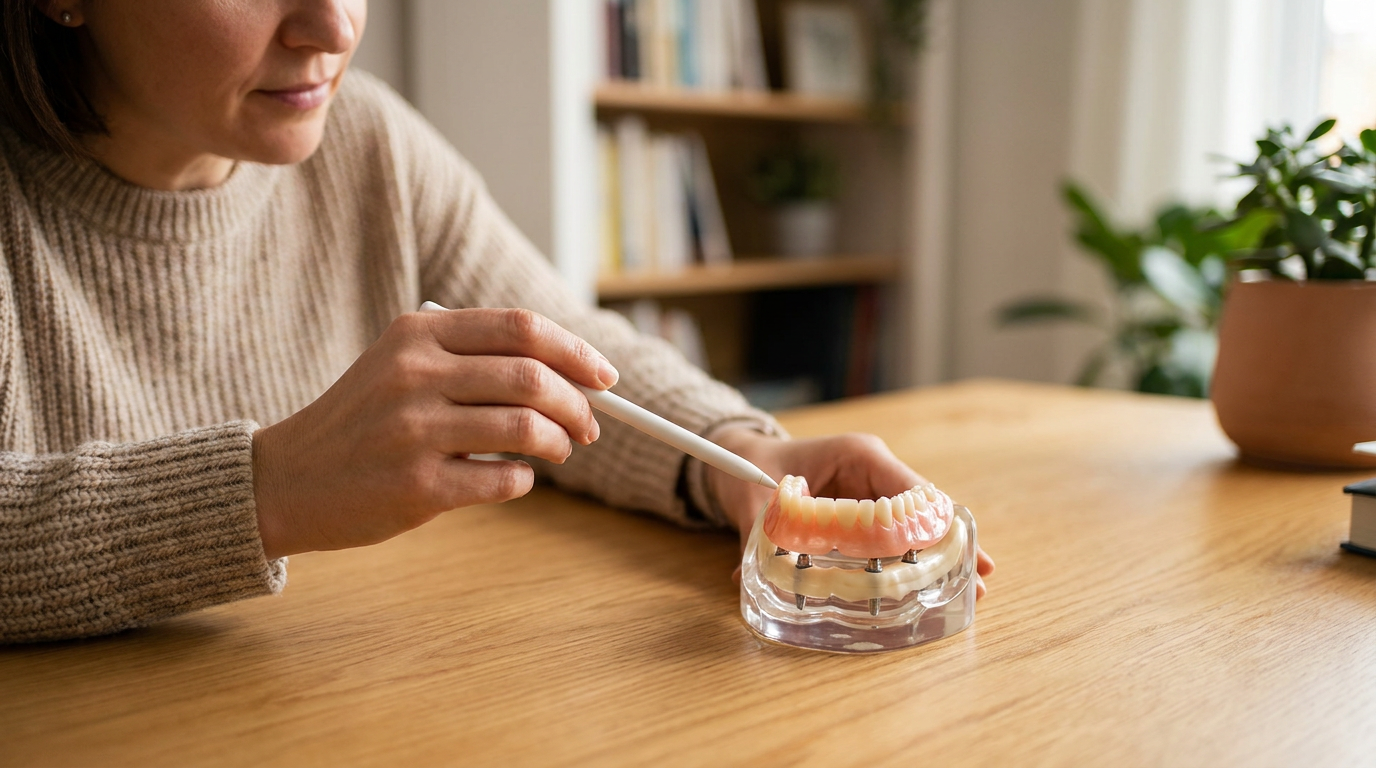
A close-up, high-angle shot showcasing a set of complete lower implant-supported dentures securely attached to a visible (but not gory) array of dental implants embedded in a jaw model.

All-on-X Dental Implants for Stability

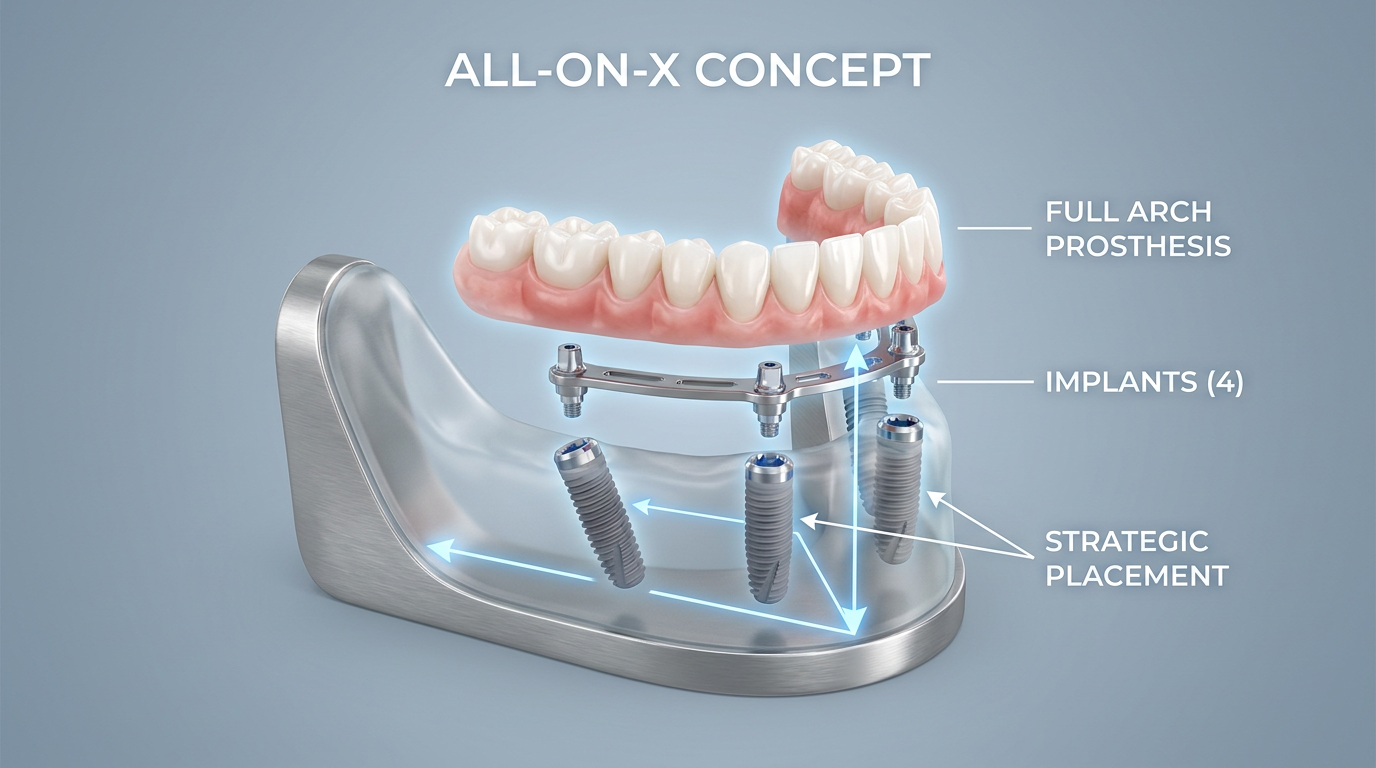
Among implant-supported options, All-on-X dental implants represent a highly effective solution for securing lower dentures, offering a complete arch of teeth with just a few implants. This innovative technique can dramatically improve stability and function. Dr. Civetti explained that the All-on-X method typically uses four to six implants. These permanently anchor a full set of replacement teeth.

This significantly reduces bulk compared to traditional dentures, making it feel more natural. Ashley found the prospect of such a stable solution incredibly appealing after her struggles. The specialized All-on-X dental implants procedure offers a comprehensive benefit package.

  • Fixed Solution: No need to remove dentures daily.
  • Enhanced Chewing: Restore up to 90% of natural chewing function.
  • Bone Preservation: Stimulates the jawbone, preventing deterioration.
  • Improved Confidence: Eliminates worries about slipping dentures.
A schematic diagram illustrating the "All-on-X" concept, showing a full arch of teeth supported by just four strategically placed implants in a simplified jawbone cross-section.

Finding the Right Path Forward

Ashley ultimately decided to pursue implant-supported lower dentures, a decision that transformed her daily life. After her comprehensive consultation with Dr. Ashley Civetti, she felt confident that this was the right investment in her health and happiness.

The initial discomfort of her traditional bottom denture became a distant memory. She could once again enjoy her favorite foods, laugh freely without concern, and experience a level of comfort she hadn't thought possible. This journey underscores a vital truth: living with ill-fitting dentures is not a necessity.

Modern dentistry offers many solutions. At Pearl Palm Beach Dental, the team believes everyone deserves a stable, comfortable smile. Ashley's story is a testament to the profound difference that personalized care and advanced solutions can make. Her restored confidence now radiated through every interaction, a happy outcome of finding the right fit.

Ashley, a woman in her early sixties, is confidently laughing and eating an apple at an outdoor picnic table with her smiling grandchildren, showcasing comfort and renewed joy.
Categories:

Frequently Asked Questions

1. How long does it take to adjust to new bottom dentures?
Adjusting to new bottom dentures typically takes a few weeks to several months. Patients often experience some initial soreness and speech changes. Regular follow-up appointments with Dr. Civetti can help expedite this adjustment period.

2. Can dentures be relined for a better fit?
Yes, dentures can absolutely be relined to improve their fit. A reline involves adding a new layer of material to the denture's base, molding it to the current contours of your gums. This process is generally quick and provides a significantly snugger fit.

3. Are implant-supported dentures better than traditional dentures?
Implant-supported dentures are often considered superior to traditional dentures due to their enhanced stability and comfort. They eliminate slipping, improve chewing efficiency, and help preserve jawbone health. Dr. Civetti customizes solutions for each patient's needs.

4. What are the signs of poorly fitting lower dentures?
Signs of poorly fitting lower dentures include frequent slipping, chronic sore spots, difficulty chewing, and changes in speech. If you experience these symptoms, Dr. Civetti recommends a professional evaluation to prevent further discomfort or health issues.

5. Is bone loss common with traditional lower dentures?
Yes, bone loss in the jaw is unfortunately common with traditional lower dentures. Without the stimulation of natural tooth roots or dental implants, the jawbone tends to resorb over time. Implant-supported options, like All-on-X, can help mitigate this.

6. How often should I have my dentures checked by a dentist?
It is recommended to have your dentures checked by a dentist at least once a year. Regular check-ups allow Dr. Civetti to assess the fit, cleanings, and overall condition of your dentures, ensuring optimal comfort and oral health.


related blog posts

Stay Informed with Expert Insights & Tips About Dental Care

Connor, takes a cautious bite of a banana at a kitchen island in morning light.
7.10.2026

Understanding Temporary Veneers and Their Durability

Temporary veneers protect teeth and preview your new smile during the short wait for permanent restorations.

Ashley holds a patient information packet from Pearl Palm Beach Dental on a park bench, looking thoughtfully relieved.
7.10.2026

Finding a Gentle Dentist for Nervous Patients

Discover how Ashley finds her gentle dentist for nervous patients at Pearl Palm Beach, transforming her dental anxiety into calm care.

6.12.2026

What to Expect from Bleeding Gums Treatment

Discover what to expect from bleeding gums treatment. Pearl Palm Beach Dental guides you from concern to a confident, healthy smile.