Back to Blogs

Dreamsleep™ vs. CPAP for Sleep Apnea

Understanding the differences between DreamSleep™ Oral Appliance Therapy and CPAP can help individuals find the most effective and comfortable solution for their sleep apnea.

September 9, 2026
2 min read
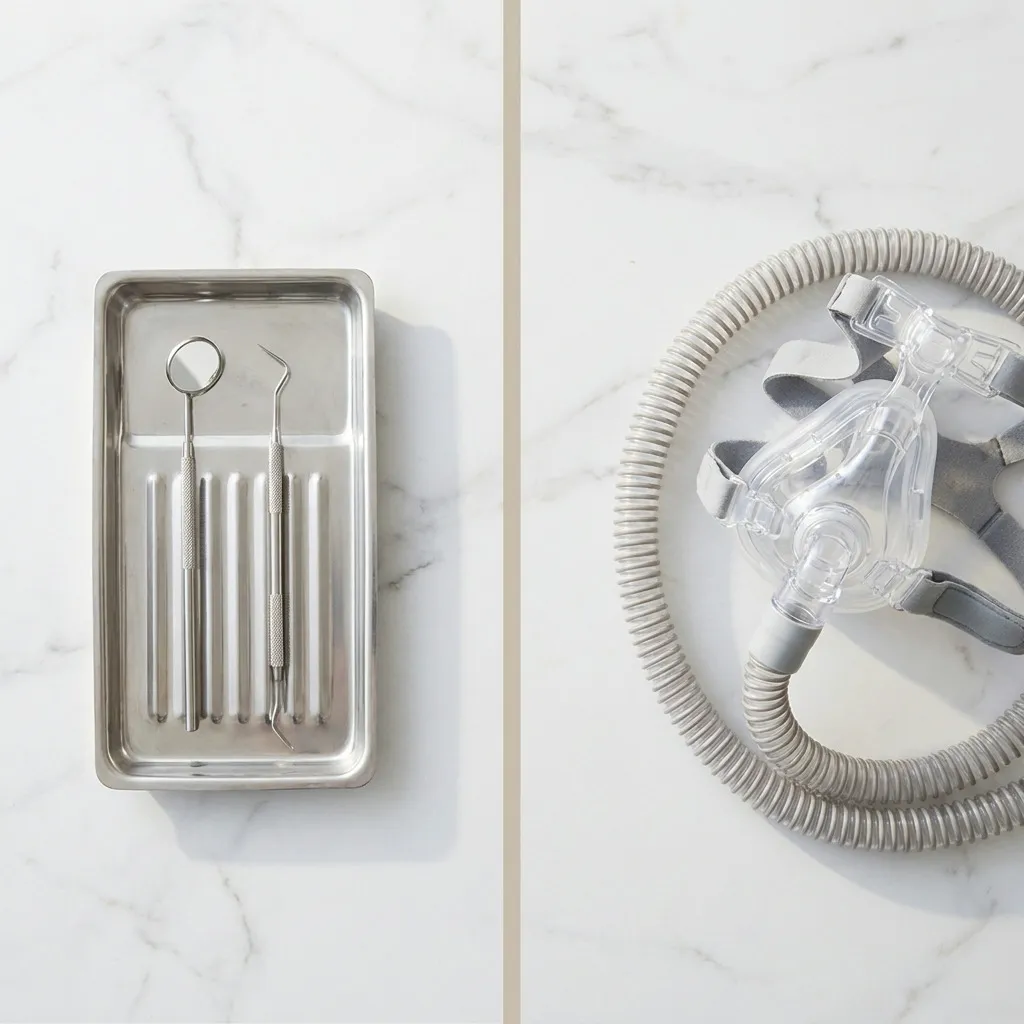
A metal dental tray with a mirror and probe sits on a white marble surface next to a clear CPAP mask with a gray hose and straps.
Back to Blogs
A metal dental tray with a mirror and probe sits on a white marble surface next to a clear CPAP mask with a gray hose and straps.

Dreamsleep™ vs. CPAP for Sleep Apnea

Understanding the differences between DreamSleep™ Oral Appliance Therapy and CPAP can help individuals find the most effective and comfortable solution for their sleep apnea.

September 9, 2026
2 min read

Navigating Sleep Apnea Treatment Options

For many individuals experiencing sleep apnea, finding the right treatment can feel like a complex journey. While Continuous Positive Airway Pressure (CPAP) machines are a well-known solution, they are not the only effective option. DreamSleep™ Oral Appliance Therapy offers a comfortable, portable alternative for managing obstructive sleep apnea.

It is important to explore all choices with a qualified dental professional.

Lauren, a busy professional in her early 40s, recently learned she had been diagnosed with moderate obstructive sleep apnea. She had heard of CPAP but felt overwhelmed by the idea of wearing a mask each night. Lauren was seeking a less intrusive way to improve her sleep and energy.

Dr. Ashley Civetti at Pearl Palm Beach Dental understood Lauren's concerns immediately. She explained that many patients find success with various approaches. Dr. Civetti assured Lauren that exploring all suitable treatments was the first step toward better rest.
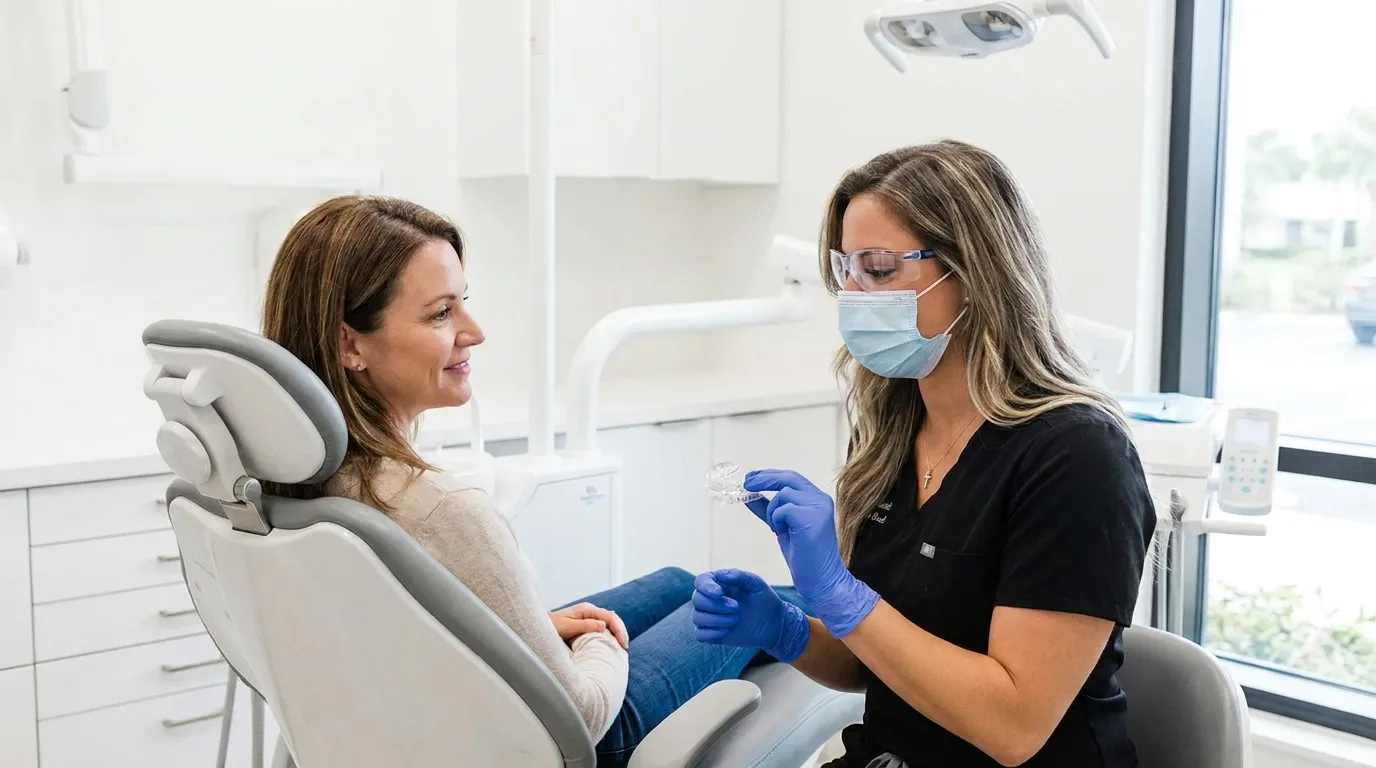
Dr. Civetti, wearing a mask and safety glasses, holds a clear oral appliance while consulting with Lauren, who is seated in a dental chair in a bright operatory.

What Is Dreamsleep™ Therapy?

DreamSleep™ Oral Appliance Therapy provides a non-invasive treatment for obstructive sleep apnea (OSA) by positioning the lower jaw slightly forward. This gentle repositioning helps keep the airway open during sleep, preventing the soft tissues from collapsing. It is a custom-fitted device, similar to a mouthguard, worn only at night.

Lauren found the concept of a small oral appliance much more appealing than a full CPAP setup. She was particularly interested in how it could integrate into her lifestyle. Dr. Civetti explained that the appliance is designed for maximum comfort and effectiveness.

Key Features of DreamSleep™

  • Custom Fit: Each DreamSleep™ appliance is custom-made based on precise dental impressions. This ensures optimal fit and therapeutic effectiveness.
  • Portable and Discreet: Its small size makes it easy to travel with and store. The appliance is far less noticeable than a CPAP machine.
  • Comfortable Design: Many patients report greater comfort and ease of use compared to traditional CPAP. This leads to higher treatment adherence.
  • Quiet Operation: Unlike CPAP machines, oral appliances operate silently. This can benefit both the patient and their bed partner.
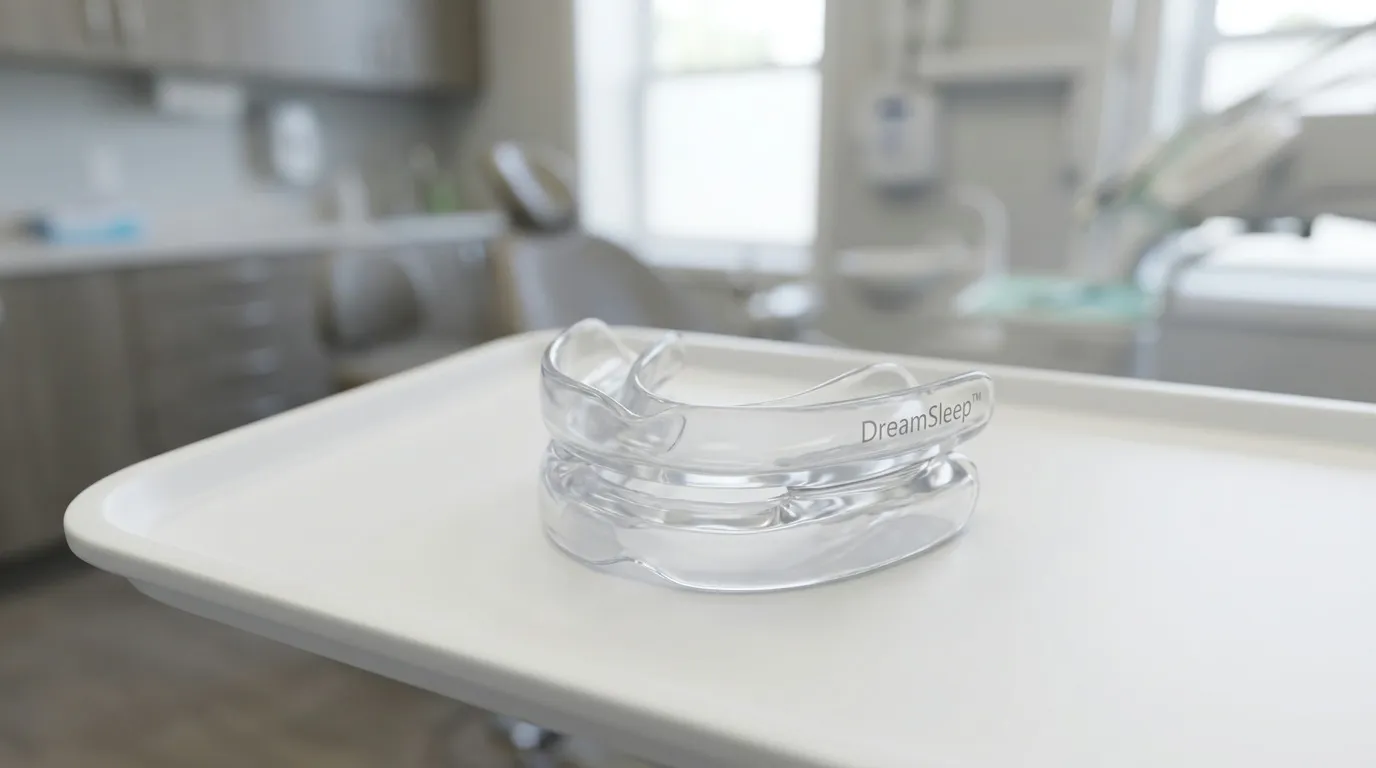
A clear DreamSleep oral appliance rests on a white medical tray in the foreground, with a blurred dental office and chair visible in the background.

Understanding CPAP for Sleep Apnea

Continuous Positive Airway Pressure (CPAP) therapy is widely recognized as a highly effective treatment for obstructive sleep apnea. It works by delivering a continuous stream of filtered air through a mask worn over the nose or mouth during sleep. This constant airflow creates pressure that prevents the airway from collapsing.

Lauren's friend, Stephanie, had used a CPAP machine for years and found it life-changing. Stephanie shared stories of improved energy and reduced snoring. Dr. Civetti acknowledged CPAP's proven efficacy in managing moderate to severe OSA.

Common Aspects of CPAP Use

  • Mask Interface: Patients wear a mask connected by a hose to the CPAP machine. Masks come in various styles to suit individual preferences.
  • Consistent Airflow: The machine maintains positive airway pressure throughout the night. This keeps the throat open and prevents breathing interruptions.
  • Power Source: CPAP machines require an electrical outlet, limiting their use in some situations. Many newer models are more compact.
  • Maintenance: Regular cleaning of the mask, hose, and humidifier is essential. Filters also need periodic replacement.
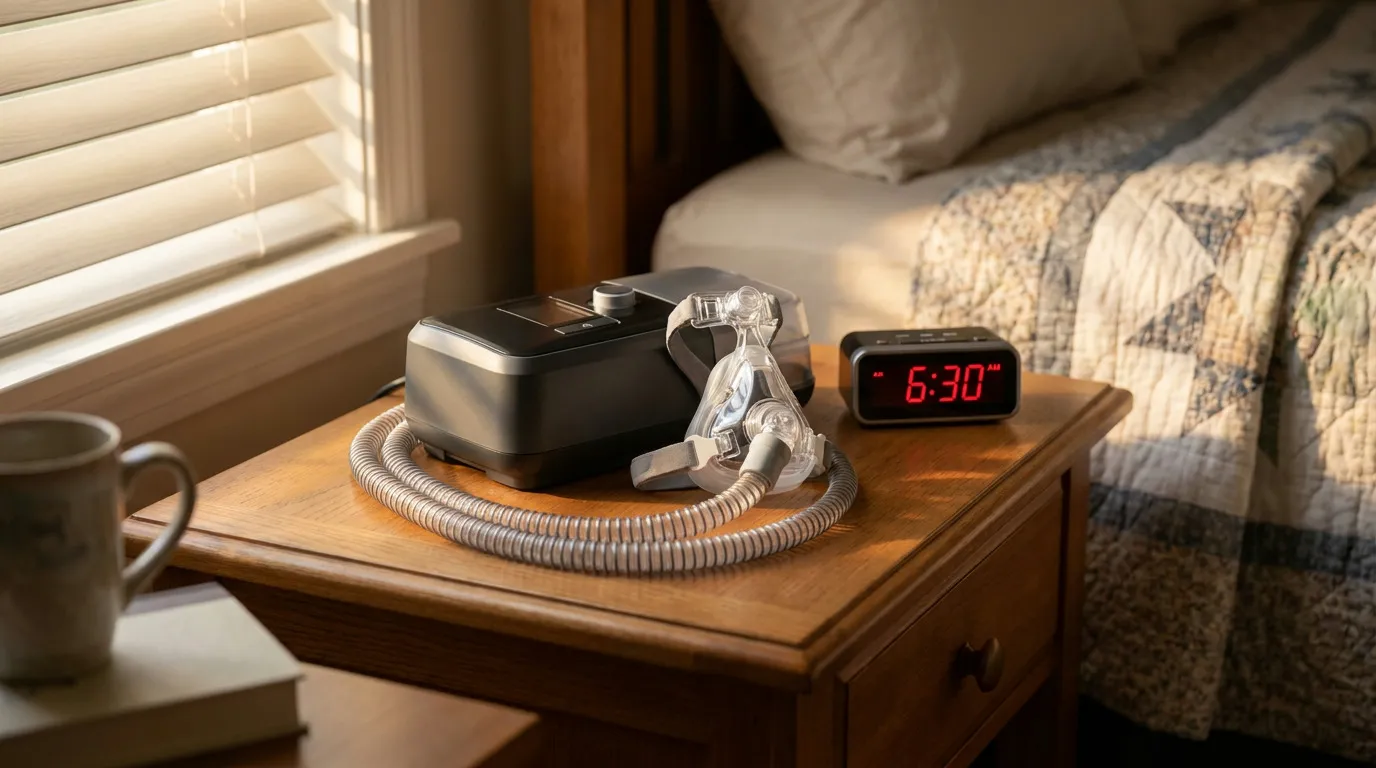
A CPAP machine with its mask and tubing is on a wooden bedside table next to a digital alarm clock displaying 6:30. A window with blinds and a bed with a patterned quilt are visible in the background.

Dreamsleep™ vs. Cpap: Key Differences

The primary distinction between DreamSleep™ Oral Appliance Therapy and CPAP lies in their mechanism of action and overall patient experience. DreamSleep™ physically repositions the jaw to open the airway, while CPAP uses air pressure to achieve the same goal. These fundamental differences often guide patient preferences.

Lauren discussed these points with Dr. Civetti, weighing what felt right for her. She considered her frequent business trips and desire for a less conspicuous solution. Dr. Civetti emphasized that personal lifestyle and comfort play significant roles in choosing a therapy that patients will actually use consistently.

Many patients appreciate the freedom an oral appliance offers. It eliminates the need for electricity and is small enough to fit in a pocket. CPAP, while effective, requires a power source and can be bulkier for travel.

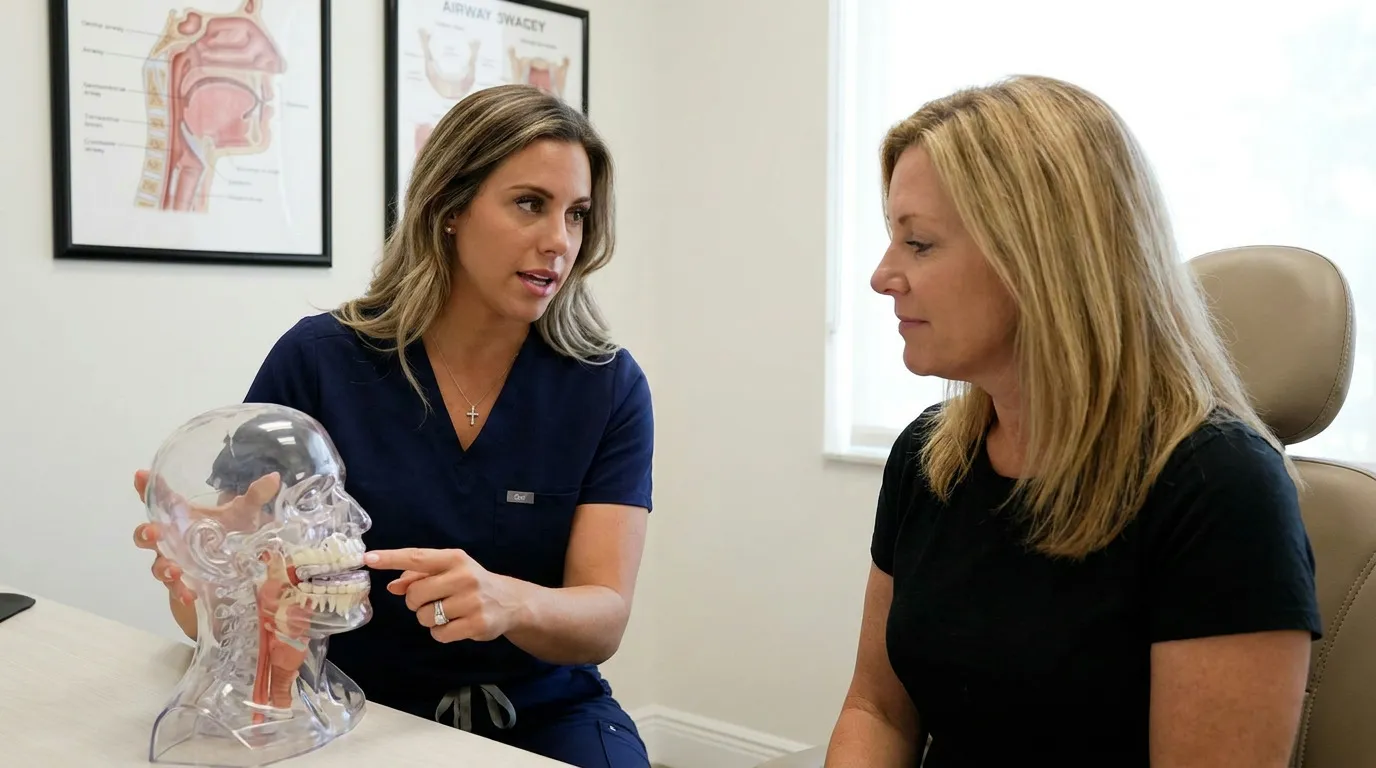
Dr. Ashley Civetti in blue scrubs points to a clear anatomical head model with an oral appliance, explaining something to Lauren, who sits opposite in a black shirt, in a consultation room with anatomical charts on the wall.

Ready for a Better Night's Sleep?

If you're struggling with sleep apnea or suspect you might have it, don't wait. Contact Pearl Palm Beach Dental to schedule a consultation with Dr. Ashley Civetti. She can help you explore DreamSleep™ Oral Appliance Therapy and other options tailored to your unique needs, guiding you toward a restful night's sleep.

Who Benefits Most From Each?

Determining the ideal treatment often depends on the severity of sleep apnea, patient preferences, and individual anatomy. DreamSleep™ Oral Appliance Therapy is typically recommended for patients with mild to moderate obstructive sleep apnea. It is also an excellent option for those with severe OSA who cannot tolerate CPAP.

Lauren's moderate diagnosis made her a good candidate for the DreamSleep™ appliance. She learned that a dentist like Dr. Civetti can properly assess suitability. Meanwhile, CPAP remains the gold standard for many with severe OSA, offering robust airway support.

Ideal Candidates for DreamSleep™

  • Mild to Moderate OSA: Patients with less severe obstruction often find great success.
  • CPAP Intolerance: Individuals who struggle with mask discomfort, claustrophobia, or noise from CPAP.
  • Travelers: Its portability makes it ideal for frequent travelers or campers.
  • Lifestyle Preference: Those seeking a discreet, quiet, and less obtrusive treatment.
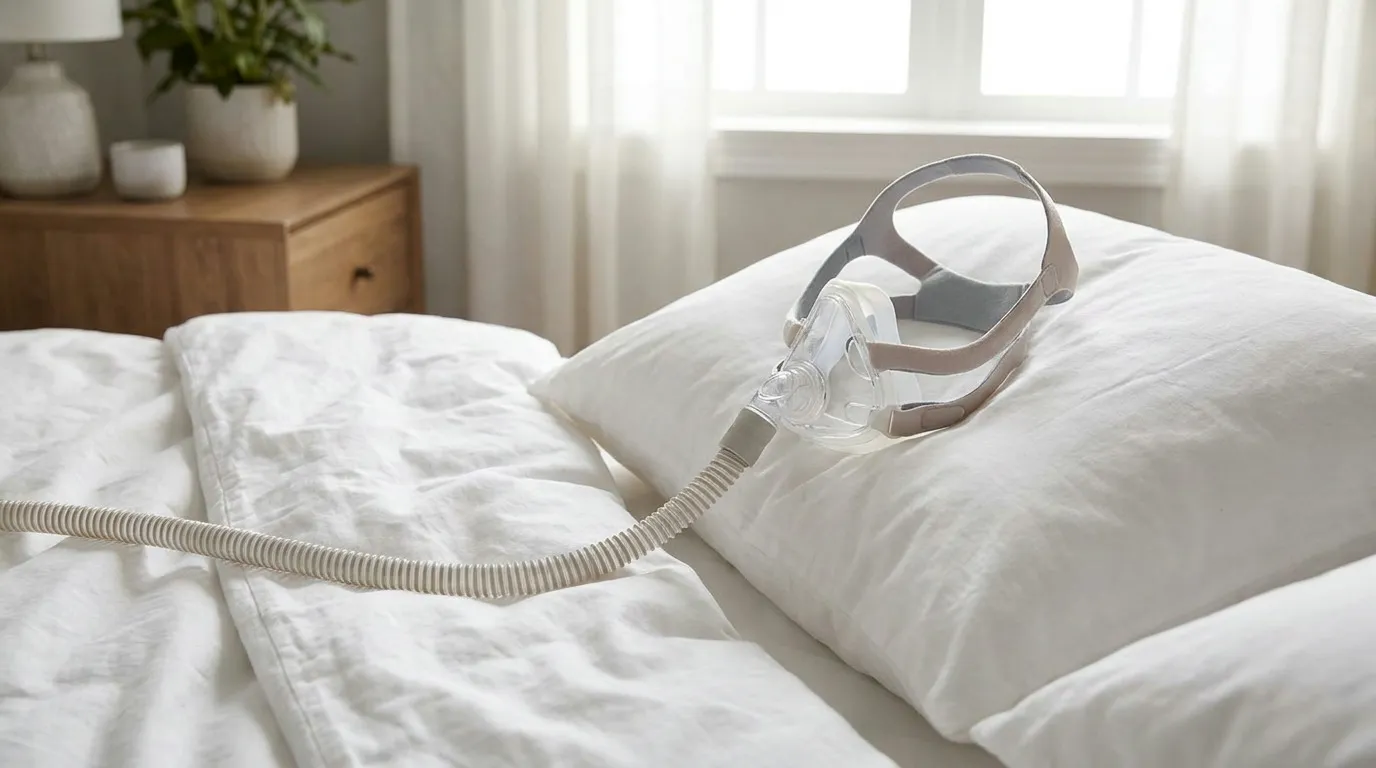
A CPAP mask with a clear facepiece, gray and beige straps, and a flexible hose rests on a white pillow and bed, with a wooden nightstand, lamp, plant, and window with white curtains in the background.

What If You Can't Tolerate Cpap?

For individuals who find CPAP therapy difficult to use consistently, alternatives like DreamSleep™ Oral Appliance Therapy become crucial. Non-adherence to CPAP, often due to discomfort with the mask, noise, or feelings of claustrophobia, can undermine treatment effectiveness. It is vital to find a solution that patients will use every night.

Lauren had heard from Hunter, a colleague, about his struggles with CPAP compliance. He found the mask disruptive and eventually stopped using it. This reinforced Lauren's desire for an easier option. Dr. Civetti explained that consistent use is paramount for any sleep apnea treatment to be successful.

Many patients report better sleep quality and higher satisfaction when they use an oral appliance compared to struggling with CPAP. Finding an alternative is not a failure but a proactive step towards better health. Exploring other solutions with a qualified dentist can provide a viable path to restful sleep.

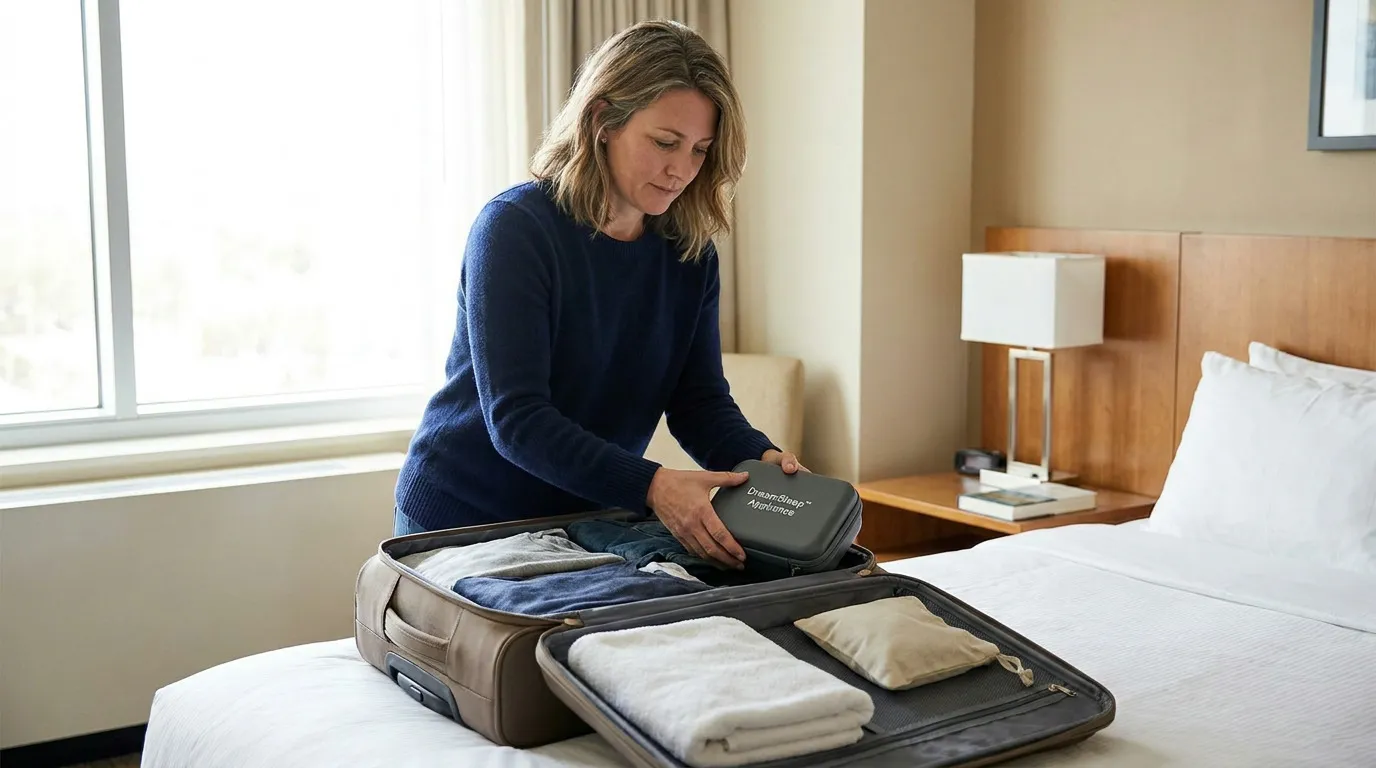
Lauren packs a gray case labeled "DreamSleep™ Appliance" into an open suitcase filled with clothes, which rests on a white hotel bed.

Working With Your Dentist and Physician

A collaborative approach between a patient's dentist and physician is essential for diagnosing and treating sleep apnea effectively. While a medical doctor typically diagnoses sleep apnea through a sleep study, a dentist specializing in dental sleep medicine, like Dr. Ashley Civetti, often provides oral appliance therapy. This ensures comprehensive care.

Lauren appreciated how Dr. Civetti worked closely with her sleep physician. This coordinated effort helped confirm the best treatment path. Dr. Civetti stressed that ongoing monitoring is vital to ensure the chosen therapy remains effective over time.

Steps in Coordinated Care

  • Diagnosis: A physician typically orders a sleep study to diagnose sleep apnea.
  • Referral: The physician may refer patients to a qualified dentist for oral appliance therapy.
  • Appliance Fitting: The dentist takes impressions and custom-fits the DreamSleep™ appliance.
  • Follow-Up: Both the dentist and physician monitor treatment effectiveness and adjust as needed.
Dr. Ashley Civetti, wearing a mask, glasses, and blue gloves, writes on a clipboard while a patient named Stephanie, wearing a dental bib, sits in a dental chair and gestures with her hand.

Finding Your Path to Restful Sleep

Choosing between DreamSleep™ Oral Appliance Therapy and CPAP is a highly personal decision, influenced by individual needs, lifestyle, and the specific nature of one's sleep apnea. The goal is always to find a treatment that is not only effective but also comfortable enough to use consistently night after night. Consistency is the true measure of success in managing this condition.

Lauren, after her initial consultation with Dr. Ashley Civetti, decided to proceed with DreamSleep™ Oral Appliance Therapy. She found the process of getting her custom appliance straightforward and appreciated the detailed instructions Dr. Civetti provided. Within a few weeks, Lauren noticed a significant improvement in her energy levels and her partner, Anthony, confirmed her snoring had almost disappeared. The lightweight appliance was easy to pack for her business trips, a major benefit.

Lauren now wakes feeling refreshed, no longer dreading another tired day. Her journey highlights that effective sleep apnea treatment isn't one-size-fits-all. With expert guidance from professionals like Dr. Civetti at Pearl Palm Beach Dental, many find a solution that perfectly fits their life, leading to profound improvements in overall health and well-being. It is about restoring quality of life through better sleep.

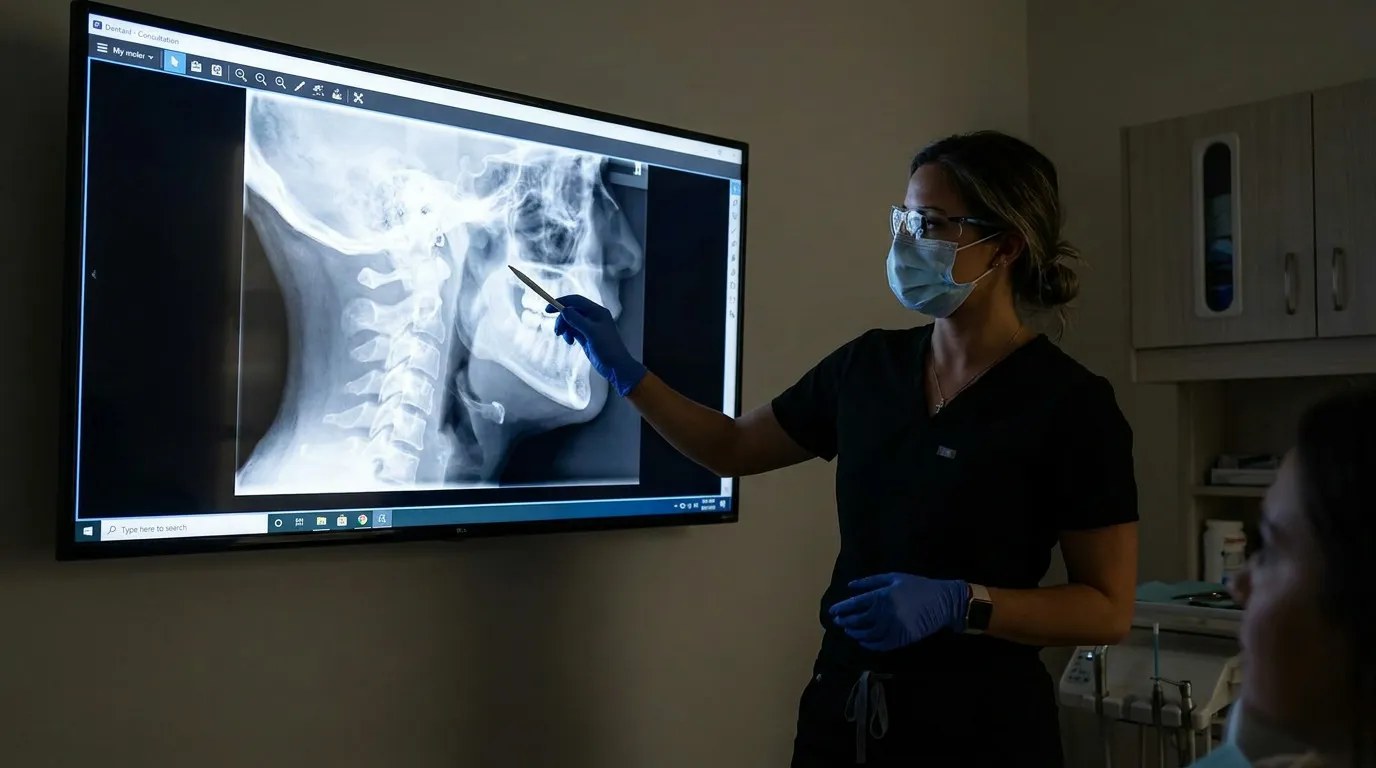
Dr. Ashley Civetti, wearing scrubs, a mask, glasses, and gloves, points with a stylus at a jaw and neck x-ray on a large wall-mounted screen, with a patient partially visible in the foreground.

Frequently Asked Questions

1. Is DreamSleep™ Oral Appliance Therapy covered by insurance?
Many medical insurance plans do cover oral appliance therapy for sleep apnea. Patients should always check with their specific provider to understand their benefits. The team at Pearl Palm Beach Dental can often assist with insurance inquiries and provide necessary documentation for claims.

2. How long does it take to get a DreamSleep™ appliance?
After an initial consultation and examination, dental impressions are taken. The custom appliance typically takes a few weeks to be fabricated by a specialized lab. Once ready, patients return for a fitting and adjustments to ensure optimal comfort and effectiveness.

3. Can I switch from CPAP to DreamSleep™?
Yes, many patients who find CPAP difficult to tolerate explore DreamSleep™ as an alternative. A discussion with Dr. Ashley Civetti and a sleep physician can determine if an oral appliance is a suitable and effective option for managing sleep apnea in your specific case.

4. How often do I need to wear the DreamSleep™ appliance?
For optimal results and to effectively manage sleep apnea, the DreamSleep™ oral appliance should be worn every night during sleep. Consistent use is key to preventing airway collapse and ensuring a restful, uninterrupted night's sleep.

5. What are the potential side effects of DreamSleep™?
Mild side effects can include temporary jaw soreness, tooth tenderness, or changes in bite that typically resolve quickly each morning. Dr. Ashley Civetti carefully monitors patients to minimize these effects and ensures the appliance is properly adjusted for comfort and efficacy.

6. Is DreamSleep™ effective for all types of sleep apnea?
DreamSleep™ Oral Appliance Therapy is specifically designed and effective for treating obstructive sleep apnea (OSA). It is not typically used for central sleep apnea, which has different underlying causes. Dr. Ashley Civetti will confirm if it is the right treatment for your diagnosis.

related blog posts

Stay Informed with Expert Insights & Tips About Dental Care

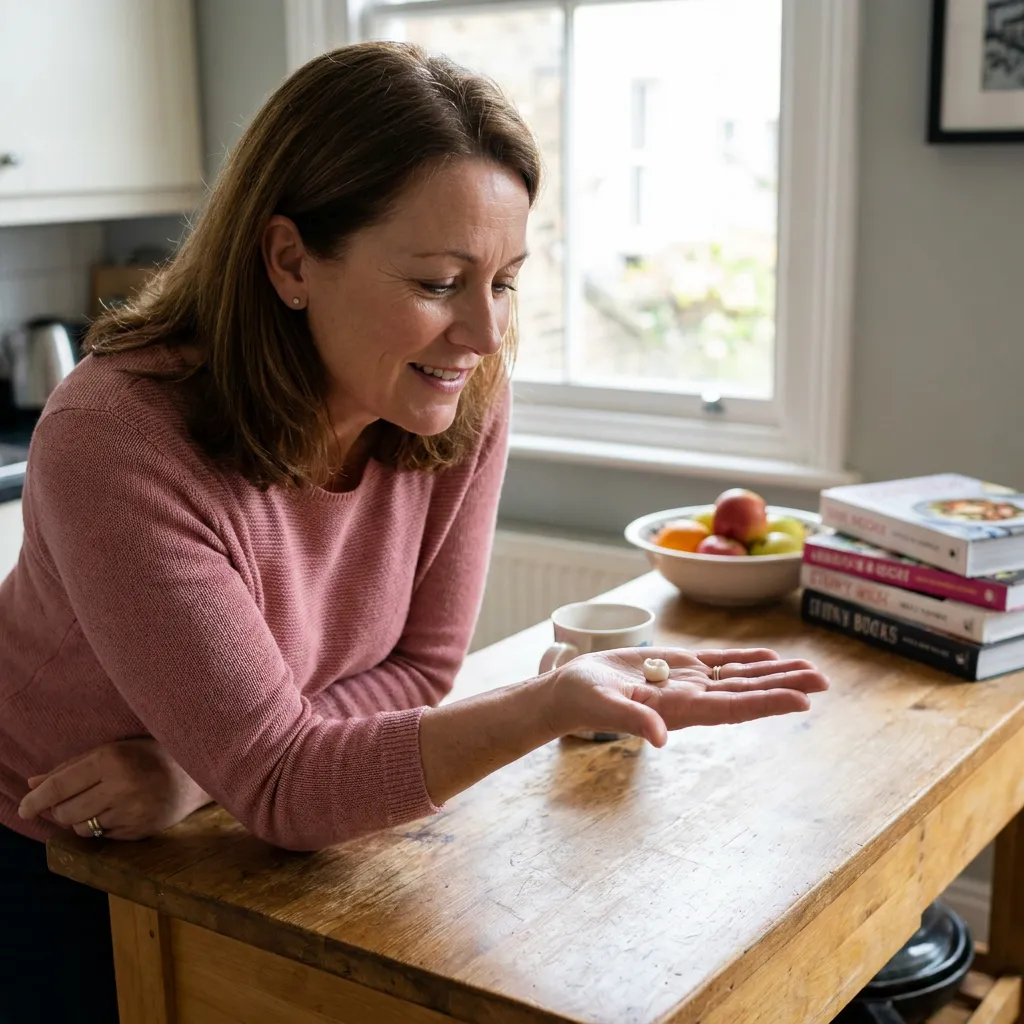
Samantha, wearing a pink long-sleeved shirt, smiles down at a white dental crown resting in her open palm as she leans on a wooden table in a kitchen.
8.6.2026

Are Dental Implants Right for You?

Dental implants offer a durable and natural-looking solution for missing teeth, provided candidates meet specific health and bone density criteria.

Connor, takes a cautious bite of a banana at a kitchen island in morning light.
7.10.2026

Understanding Temporary Veneers and Their Durability

Temporary veneers protect teeth and preview your new smile during the short wait for permanent restorations.

Ashley holds a patient information packet from Pearl Palm Beach Dental on a park bench, looking thoughtfully relieved.
7.10.2026

Finding a Gentle Dentist for Nervous Patients

Discover how Ana finds her gentle dentist for nervous patients at Pearl Palm Beach, transforming her dental anxiety into calm care.