
Back to Blogs

What Is Airway Dentistry and Who Needs It

Airway dentistry identifies and treats breathing issues related to oral and craniofacial structures, offering solutions for better breathing and overall health.

October 7, 2026
•
2 min read
Christopher, wearing a mustard cardigan, holds a clear aligner tray and a glass of water while standing at a kitchen island in morning light.
Back to Blogs
Christopher, wearing a mustard cardigan, holds a clear aligner tray and a glass of water while standing at a kitchen island in morning light.

What Is Airway Dentistry and Who Needs It

Airway dentistry identifies and treats breathing issues related to oral and craniofacial structures, offering solutions for better breathing and overall health.

October 7, 2026
•
2 min read

Breathing Better, Living Better

Airway dentistry is a specialized field focused on diagnosing and treating issues related to breathing, especially during sleep. It explores how oral and craniofacial structures impact a patient's ability to breathe properly, often addressing underlying causes of conditions like snoring or sleep apnea. This holistic approach integrates dental expertise with overall health, aiming to improve both oral function and systemic well-being. Dr. Ashley Civetti and her team often see patients seeking solutions beyond traditional dentistry.

Christopher, a man in his early 40s, recently visited Pearl Palm Beach Dental after years of struggling with persistent daytime fatigue. Despite adequate sleep hours, he always felt tired, a concern that had started to affect his work and family life. His wife, Vanessa, had also frequently complained about his loud snoring.

He initially thought his fatigue was stress-related, but a friend suggested a connection to his breathing. Christopher shared these concerns with Dr. Ashley Civetti during his routine dental check-up. He wondered if something more could be done for his ongoing tiredness beyond just improving his diet and exercise.

Christopher sits at a kitchen island, rubbing his temples with one hand while holding a coffee cup in the other, with his eyes slightly closed and morning light streaming through a window.

What Is Airway Dentistry?

Airway dentistry is a branch of dental practice that focuses on optimizing the upper airway to improve breathing and overall health. It recognizes the significant connection between oral structures and respiratory function, looking beyond just teeth and gums. Dr. Ashley Civetti often explains that a dentist is uniquely positioned to observe subtle signs of airway issues during regular examinations. The goal is to identify and address anatomical obstructions or functional problems that can disrupt sleep and lead to health complications. This field is a rapidly growing area of healthcare.

For Christopher, understanding this concept was a revelation. He learned that issues like a narrow palate or recessed jaw could impact his breathing. Dr. Ashley Civetti began by assessing several key factors in his oral anatomy. She carefully examined his tongue position and the structure of his soft palate.

  • Oral Structure Examination: Checking for indicators like a high, narrow palate or a large tongue.
  • Jaw Alignment Assessment: Evaluating if the jaw position contributes to airway obstruction.
  • Soft Tissue Observation: Identifying enlarged tonsils or adenoids that might impede breathing.
  • Patient Symptom Review: Discussing symptoms such as chronic snoring or morning headaches.
  • Medical History Integration: Considering other health conditions that might influence airway health.

Christopher realized that his concerns were indeed related to his physical anatomy. Dr. Ashley Civetti emphasized that many adults experience similar challenges.

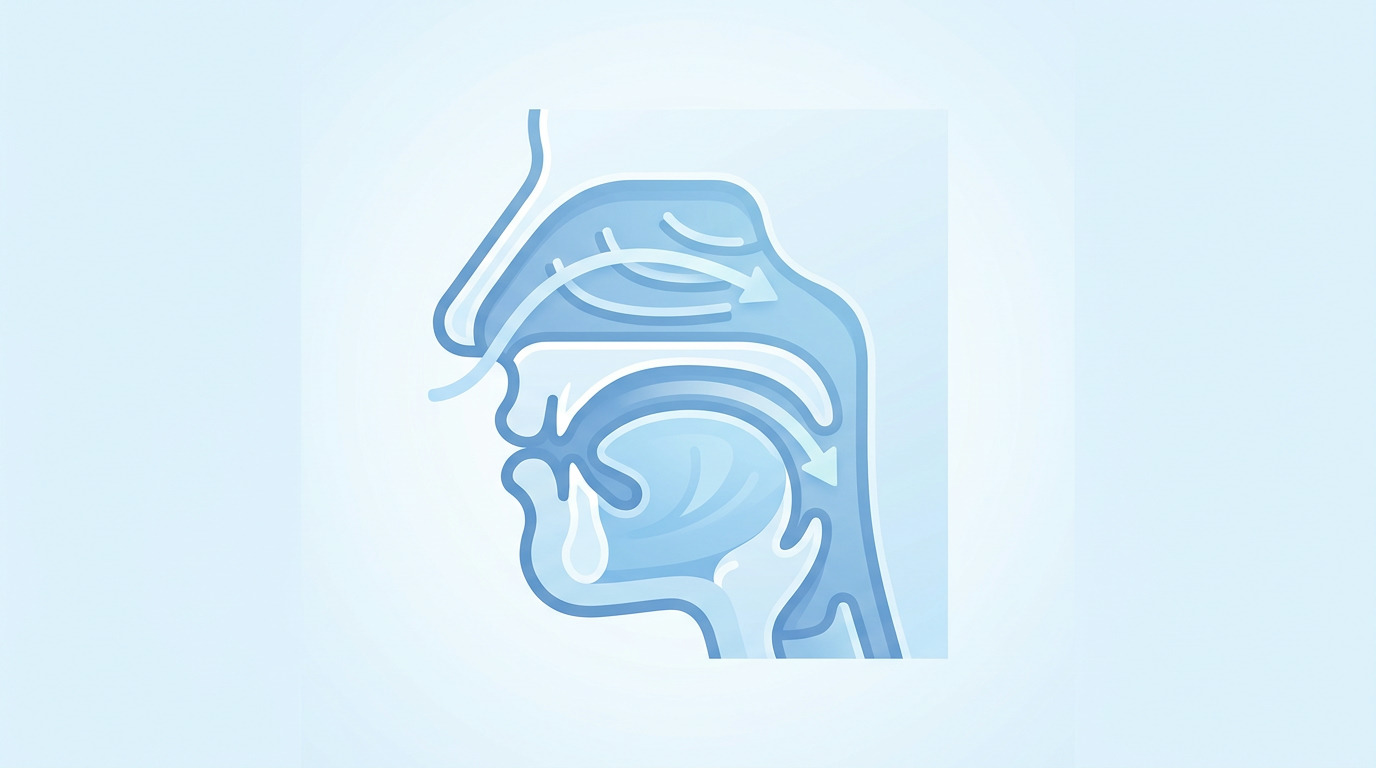
Stylized illustration of a human head in cross-section showing nasal passages, soft palate, tongue, and jaw in blue and white, with arrows indicating airflow.

Why Airway Focus Is Important

An airway-focused approach to dentistry is crucial because poor breathing can have far-reaching effects beyond just a noisy night's sleep. Chronic airway obstruction, even mild, places stress on the body and can lead to systemic health problems over time. Addressing these issues proactively can significantly improve a patient's quality of life. Dr. Ashley Civetti highlighted how untreated breathing problems can lead to more serious conditions. This comprehensive approach ensures that patients receive holistic, preventative care.

Christopher hadn't connected his lifelong struggle with concentration to his nightly breathing. He learned that disrupted sleep, even if he didn't fully wake up, prevented his body from entering deep restorative sleep cycles. Dr. Ashley Civetti explained how fragmented sleep impacts energy levels and overall cognitive function. She outlined the wide array of potential health impacts from unaddressed airway issues.

  • Chronic Fatigue: Persistent tiredness despite adequate hours of sleep.
  • Cognitive Impairment: Difficulty concentrating, memory issues, or reduced alertness.
  • Cardiovascular Strain: Increased risk of high blood pressure and other heart-related problems.
  • Mood Disturbances: Greater likelihood of irritability, anxiety, or depression.
  • Headaches: Frequent morning headaches or generalized tension headaches.

Vanessa mentioned that Christopher often seemed irritable in the mornings, which now made more sense to them both. Early intervention is key to mitigating these long-term risks.

Martha sits at a desk, wearing a pink blouse, holding her forehead with one hand, next to an open notebook, a laptop, and stacks of papers.

Signs You May Need Airway Care

There are several common signs and symptoms that suggest a patient might benefit from an airway evaluation. These indicators often manifest subtly at first, gradually worsening over time. Recognizing these signals can be the first step toward improving one's health. Dr. Ashley Civetti advises patients not to dismiss persistent symptoms as just "getting older" or stress. Early detection can lead to simpler and more effective interventions.

Christopher’s primary symptom was his constant fatigue, but after talking with Dr. Ashley Civetti, he recognized other signs. He often woke with a dry mouth and frequently snored, sometimes so loudly it woke Vanessa. He also occasionally experienced morning headaches that he had attributed to his pillow. These are classic indicators that an airway issue might be at play, affecting sleep quality.

He remembered a time his friend, Lucas, mentioned that Christopher would gasp for air in his sleep. This was a concerning detail that he had initially brushed off. Such observations from a bed partner are often invaluable for diagnosing sleep-related breathing disorders. It became clear to Christopher that his symptoms were not isolated incidents.

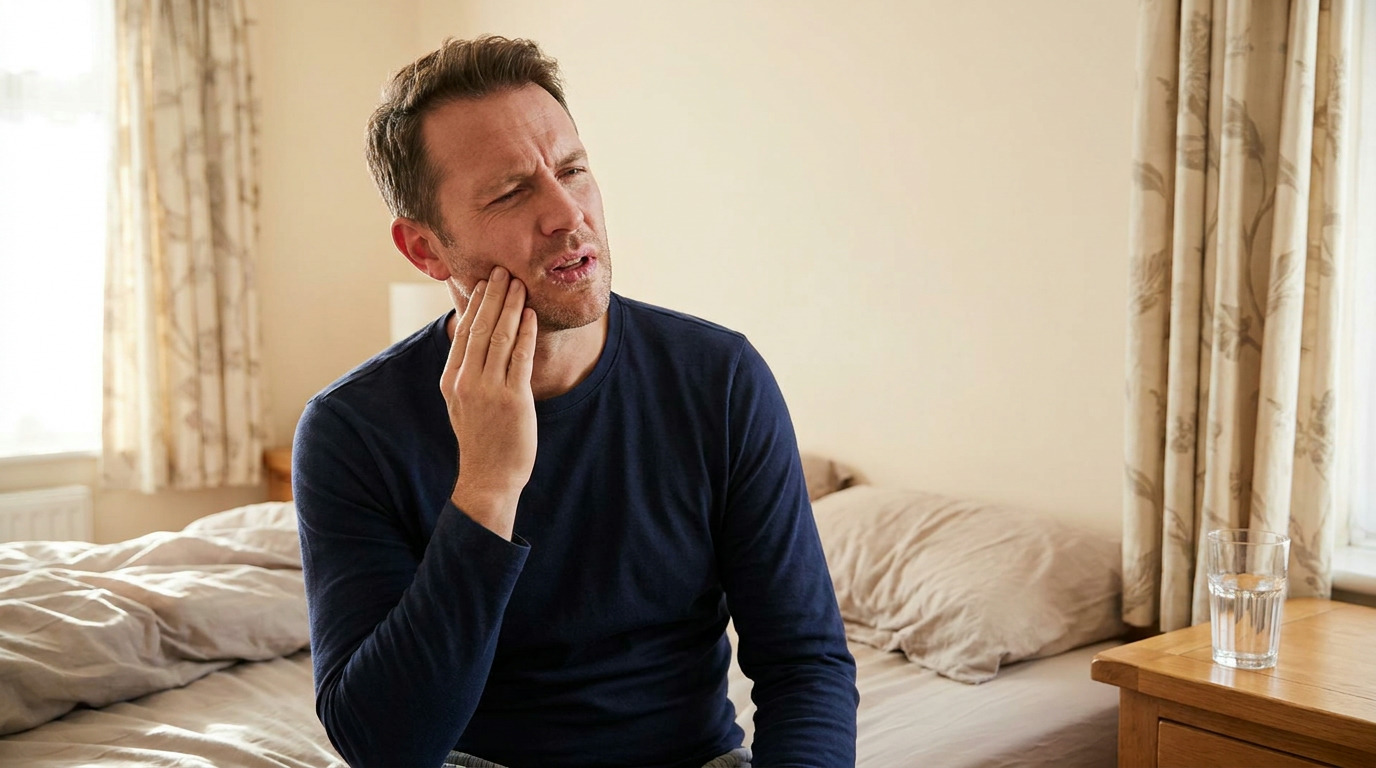
Christopher sits on a bed in a bedroom, holding his right cheek with a pained expression, wearing a navy long-sleeved shirt, with a glass of water on a nightstand beside him.

Ready for Better Breathing and Deeper Sleep?

If you're experiencing symptoms like chronic fatigue, loud snoring, or morning headaches, it might be time to explore how airway dentistry can help you. Dr. Ashley Civetti and her dedicated team at Pearl Palm Beach Dental are ready to provide a thorough airway evaluation. Take the first step towards a healthier, more energized life by contacting us today to schedule your consultation.

What an Airway Evaluation Involves

An airway evaluation at Pearl Palm Beach Dental is a thorough process designed to assess the structures and functions that impact breathing. It goes beyond a standard dental check-up, incorporating specialized assessments to identify potential blockages or dysfunctions. Dr. Ashley Civetti uses a multi-faceted approach to gather comprehensive information about a patient's oral and respiratory health. This ensures a precise and personalized diagnosis.

Christopher underwent a detailed examination that began with a discussion of his medical history and lifestyle habits. Dr. Ashley Civetti then performed a visual inspection of his mouth, throat, and jaw. She paid close attention to the size of his tonsils, the position of his tongue at rest, and the dimensions of his palate. Christopher found the process very informative.

Key Evaluation Steps

  • Detailed Health Questionnaire: Gathering information on sleep habits, energy levels, and related health concerns.
  • Oral Cavity and Pharyngeal Exam: Visually assessing the soft palate, tonsils, tongue, and throat structures.
  • Craniofacial Structure Analysis: Examining jaw alignment and facial symmetry for any potential airway influences.
  • Imaging Review: Utilizing X-rays or other scans to visualize the airway passages and bony structures.
  • Sleep Study Referral (If Needed): Recommending an overnight sleep study for definitive diagnosis of sleep apnea.

The evaluation process allowed Dr. Ashley Civetti to piece together Christopher's symptoms with his physical anatomy. She assured him that a clear path forward would be identified based on these findings.

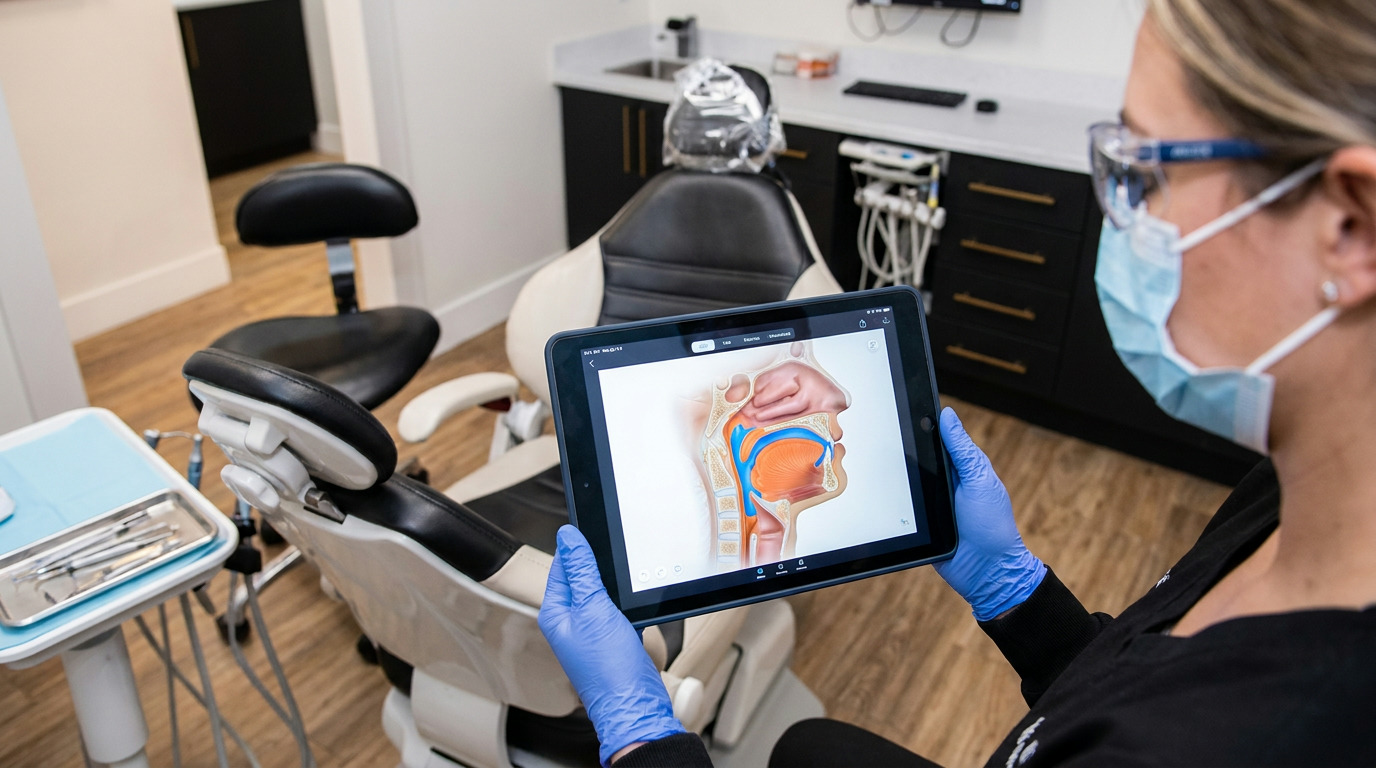
A person in blue gloves, safety glasses, and a medical mask holds a tablet displaying a 3D anatomical model of a human upper airway in a modern dental office with a dental chair and instruments.

Treatment Options for Airway Issues

Treatment for airway issues varies widely depending on the underlying cause and severity of the condition. Options range from non-invasive oral appliance therapy to working collaboratively with other medical specialists. The goal is always to create a more open and stable airway, promoting better breathing and restorative sleep. Dr. Ashley Civetti customizes each treatment plan to suit the individual needs of her patients, focusing on long-term solutions.

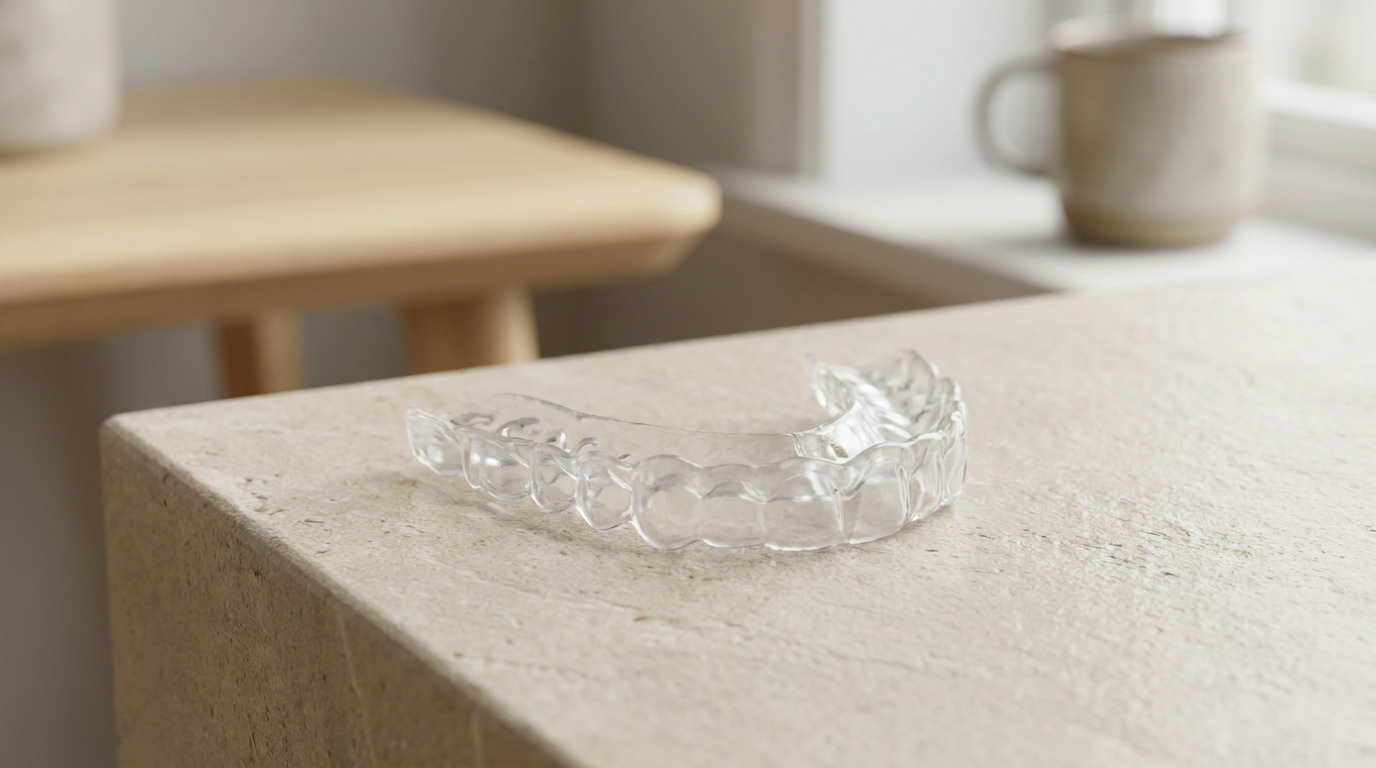
For Christopher, Dr. Ashley Civetti explained that his situation might benefit significantly from an oral appliance. This custom-made device, similar to a mouthguard, could gently reposition his jaw to keep his airway open during sleep. She showed him models of how the appliance works to prevent his soft tissues from collapsing. This non-surgical approach felt very appealing to Christopher.

In some cases, she mentioned, other services like an adult frenectomy might be recommended to improve tongue mobility, further enhancing airway function. Dr. Ashley Civetti also stressed the importance of lifestyle adjustments, such as maintaining a healthy weight and avoiding alcohol before bed. Christopher felt hopeful about these practical and effective possibilities.

A clear oral appliance rests on a light-colored, textured surface, with a blurred light wooden table and a beige mug on a window sill in the background.

How Does Airway Dentistry Differ?

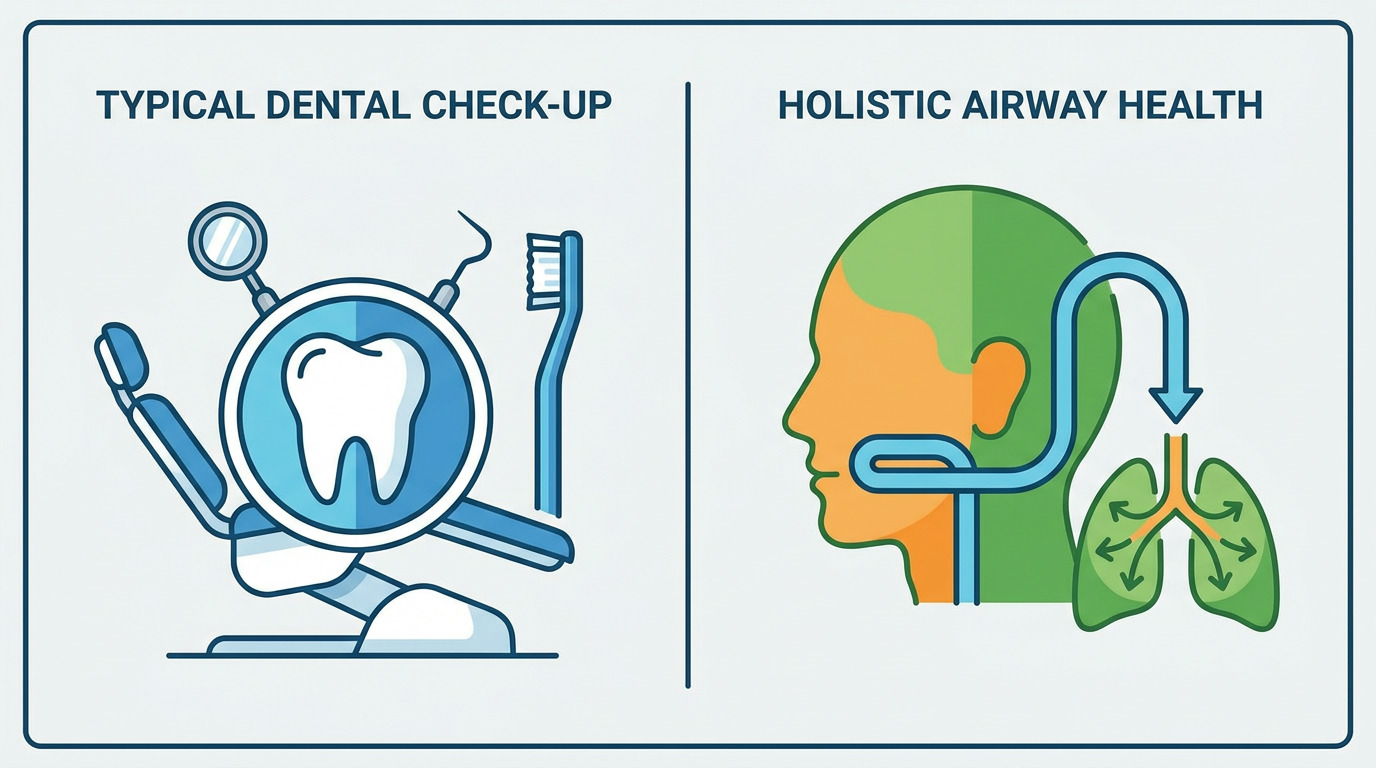
Airway dentistry differs from traditional dentistry by expanding its focus beyond typical oral health concerns to encompass the patient's entire respiratory system. While general dentistry addresses teeth, gums, and routine care, airway dentistry delves into the anatomical and functional aspects affecting breathing. It often involves a more interdisciplinary approach, collaborating with physicians and sleep specialists. This specialized field aims to address the root cause of sleep and breathing disorders, not just their symptoms, offering a more comprehensive health outlook.

Christopher had only ever thought of dentistry in terms of fillings and cleanings. He realized that this new approach was about so much more. Dr. Ashley Civetti's practice, Pearl Palm Beach Dental, integrates these concepts into patient care. She explained how this perspective allows her to identify issues that might otherwise be overlooked in a standard check-up.

Beyond Traditional Scope

  • Holistic Assessment: Evaluating the entire craniofacial system, not just the oral cavity.
  • Sleep-Focused Treatments: Offering solutions like oral appliances for sleep apnea, a service not typically provided by general dentists.
  • Interdisciplinary Collaboration: Working with ENTs, pulmonologists, and sleep physicians for integrated care.
  • Root Cause Identification: Focusing on correcting underlying anatomical or functional issues.
  • Preventative Health: Aiming to prevent systemic health problems linked to poor breathing.

This broadened scope emphasizes the interconnectedness of oral health with overall wellness. Christopher appreciated the depth of care now available to him.

A split graphic shows a dental chair, tooth, mirror, pick, and toothbrush on the left, labeled "TYPICAL DENTAL CHECK-UP," and a stylized head with airways and lungs on the right, labeled "HOLISTIC AIRWAY HEALTH.

A Breath of Fresh Air

Embarking on a journey with airway dentistry opens up a new realm of health possibilities, often leading to significant improvements in daily life. Patients like Christopher discover that solving their breathing issues can resolve a cascade of related symptoms, from chronic fatigue to headaches and even mood disturbances. The transformation is often profound, allowing individuals to experience deeper, more restorative sleep and, consequently, greater vitality throughout their waking hours.

It underscores the powerful connection between oral health and systemic well-being. After his comprehensive evaluation, Christopher decided to move forward with oral appliance therapy. Within a few weeks of consistent use, Vanessa reported a dramatic reduction in his snoring.

More importantly, Christopher himself noticed a remarkable shift in his energy levels. He no longer felt the constant, dragging fatigue that had plagued him for years. His morning headaches vanished, and he found his concentration at work vastly improved. He often reflected on how such a crucial aspect of his health had gone unaddressed for so long. Dr. Ashley Civetti's expertise provided him with not just a treatment, but a newfound understanding of his own body. Christopher's experience is a powerful reminder that sometimes, the solution to complex health issues can be found in unexpected, specialized areas of care. His improved breathing truly gave him a fresh start.

Christopher sits at a wooden desk in an olive shirt, smiling as he reads papers, with a coffee cup and plant nearby, bathed in sunlight from a large window.
Categories:

Frequently Asked Questions

1. What is the primary goal of airway dentistry?
The primary goal of airway dentistry is to identify and treat breathing-related issues, particularly during sleep, by optimizing the oral and craniofacial structures. Dr. Ashley Civetti focuses on improving airway patency to enhance overall health and quality of life.

2. How does an oral appliance help with breathing issues?
An oral appliance works by gently repositioning the jaw and tongue to keep the airway open during sleep. This prevents soft tissues from collapsing and obstructing breathing, effectively reducing snoring and symptoms of sleep apnea, as explained by Dr. Ashley Civetti.

3. Can children benefit from airway dentistry?
Yes, airway dentistry can be highly beneficial for children as well, addressing issues like mouth breathing, snoring, or sleep-disordered breathing. Dr. Ashley Civetti assesses children's developing oral structures to promote proper growth and lifelong healthy breathing habits.

4. Is airway dentistry only for sleep apnea?
While sleep apnea is a significant focus, airway dentistry addresses a broader range of breathing issues, including chronic snoring, mouth breathing, and upper airway resistance syndrome. Dr. Ashley Civetti tailors treatments to each patient's specific diagnostic findings.

5. What are common signs of an airway problem?
Common signs of an airway problem include persistent snoring, daytime fatigue, morning headaches, dry mouth upon waking, and difficulty concentrating. Dr. Ashley Civetti encourages patients experiencing these symptoms to seek an evaluation for their airway health.

6. Does insurance cover airway dentistry treatments?
Insurance coverage for airway dentistry treatments can vary, often depending on the specific diagnosis and type of treatment. Dr. Ashley Civetti's team at Pearl Palm Beach Dental assists patients in understanding their benefits and exploring financing options for necessary care.

related blog posts

Stay Informed with Expert Insights & Tips About Dental Care

A metal dental tray with a mirror and probe sits on a white marble surface next to a clear CPAP mask with a gray hose and straps.
9.9.2026

Dreamsleep™ vs. CPAP for Sleep Apnea

Understanding the differences between DreamSleep™ Oral Appliance Therapy and CPAP can help individuals find the most effective and comfortable solution for their sleep apnea.

Samantha, wearing a pink long-sleeved shirt, smiles down at a white dental crown resting in her open palm as she leans on a wooden table in a kitchen.
8.6.2026

Are Dental Implants Right for You?

Dental implants offer a durable and natural-looking solution for missing teeth, provided candidates meet specific health and bone density criteria.

Connor, takes a cautious bite of a banana at a kitchen island in morning light.
7.10.2026

Understanding Temporary Veneers and Their Durability

Temporary veneers protect teeth and preview your new smile during the short wait for permanent restorations.