1. Is snoring always a sign of sleep apnea?
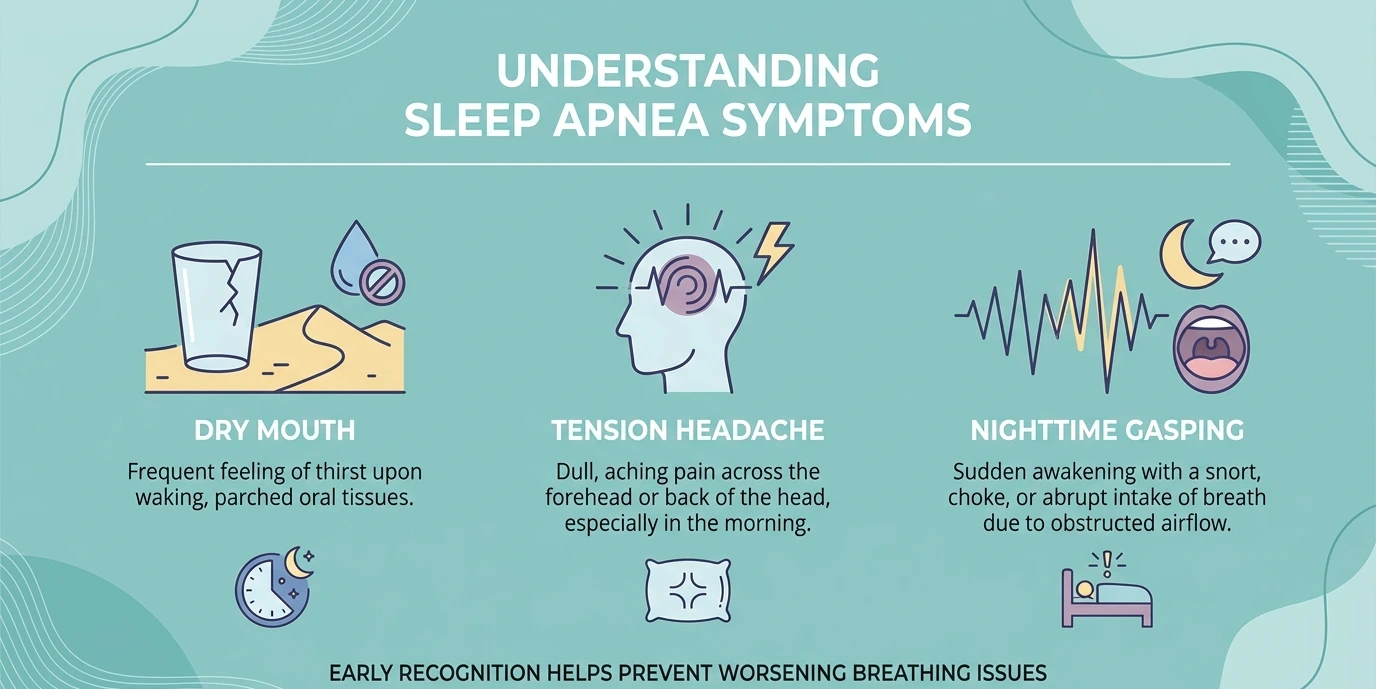
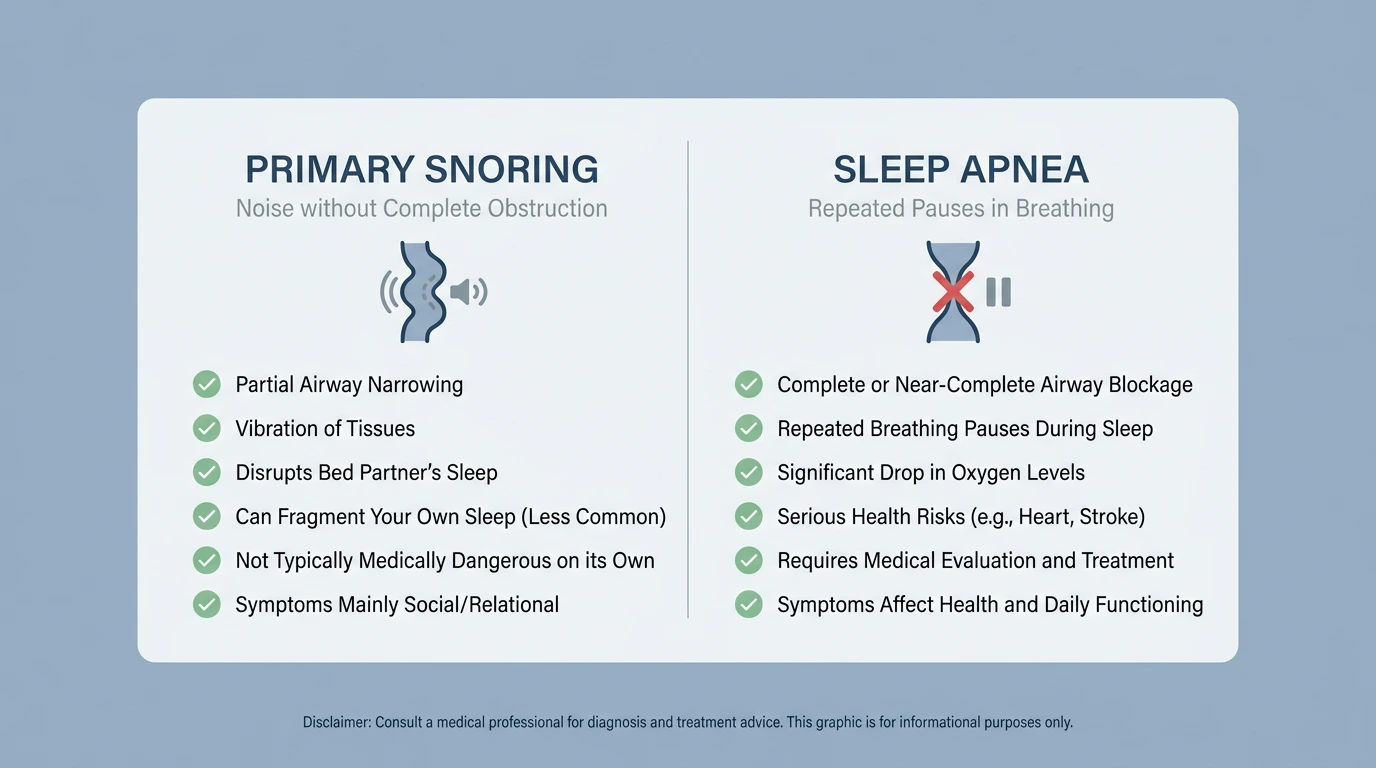
Snoring does not always indicate sleep apnea, as minor nasal congestion or sleeping on your back can cause occasional tissue vibration. However, loud and habitual snoring accompanied by gasping, choking, or daytime fatigue frequently points to obstructive sleep apnea. An evaluation by a dental professional helps clarify whether anatomical restrictions are present.
2. How does an oral appliance treat sleep apnea?
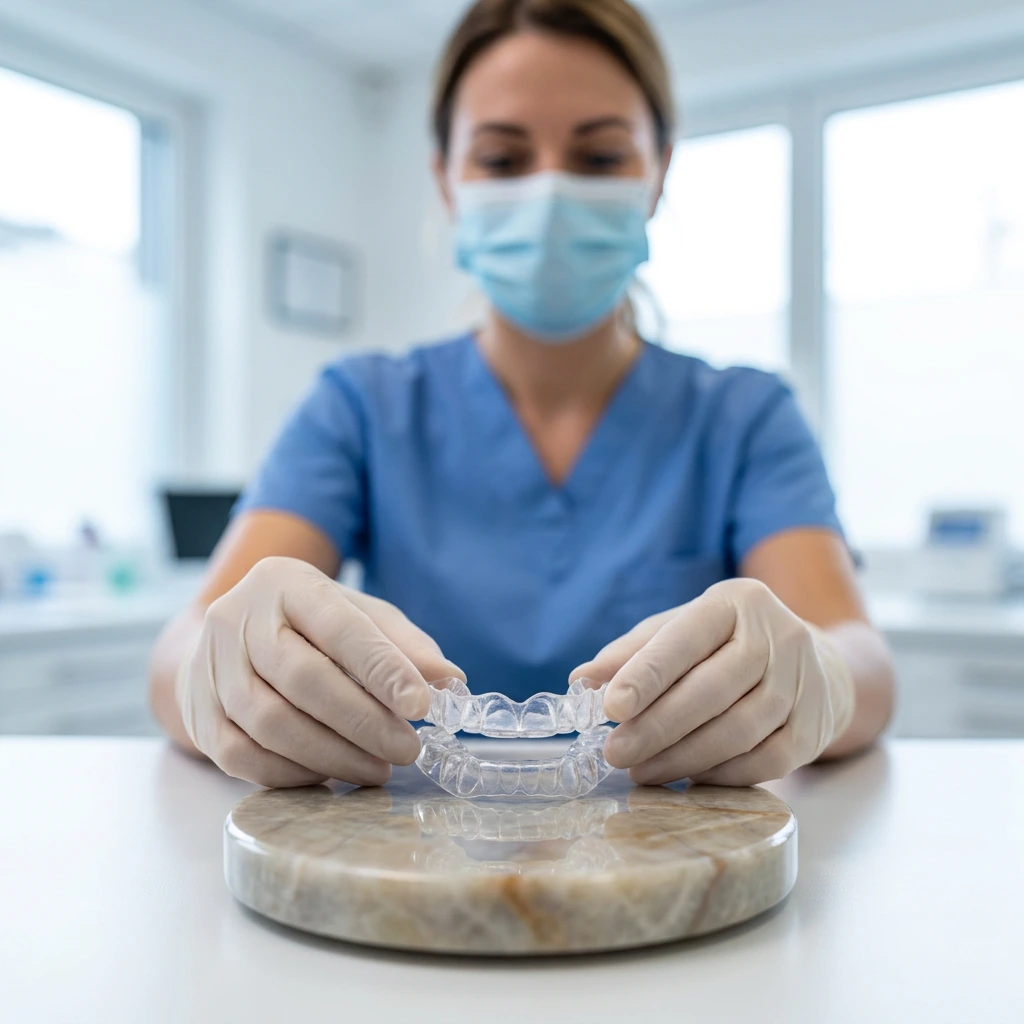
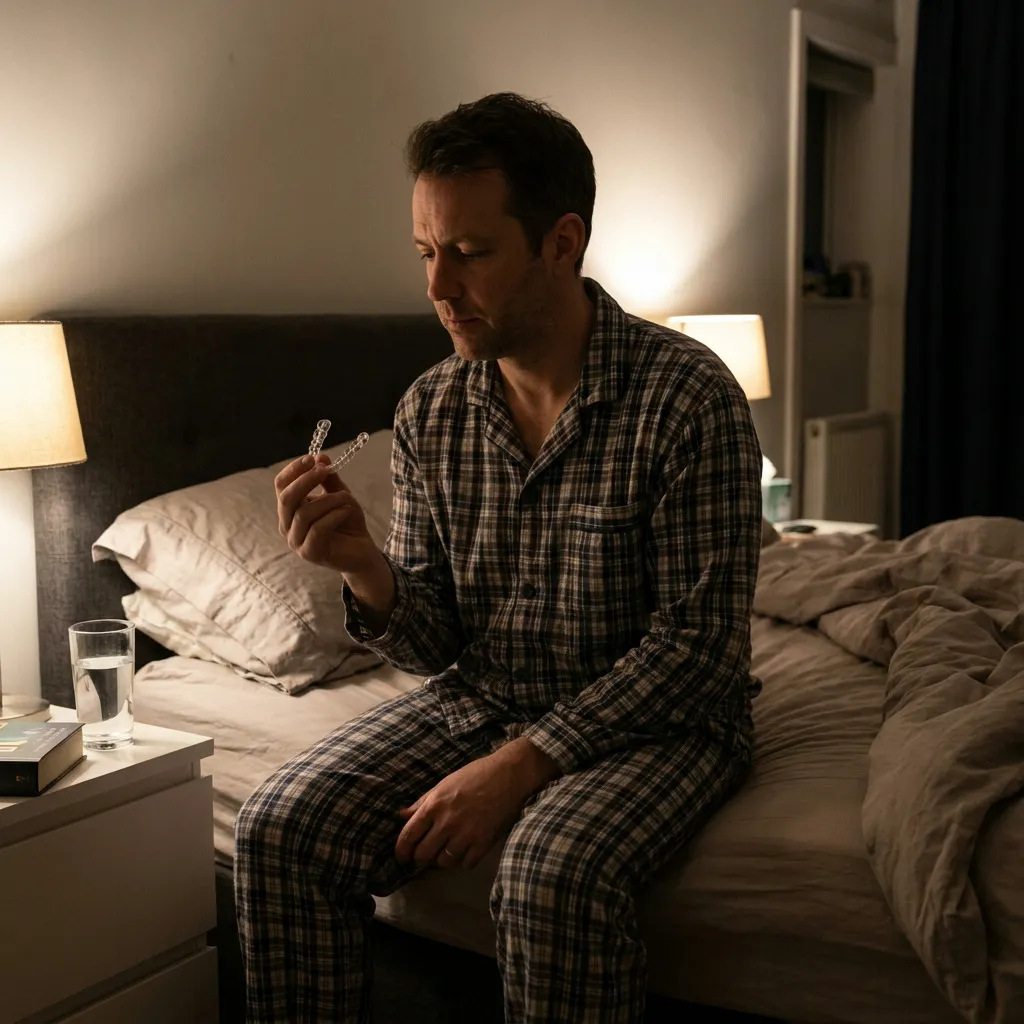
A custom oral appliance fits comfortably over your teeth and gently advances the lower jaw forward during sleep. This subtle repositioning keeps the tongue and surrounding soft tissues from collapsing into the airway. By maintaining an open passage, the device reduces tissue vibration and supports consistent airflow throughout the night.
3. Can a dentist diagnose sleep apnea?
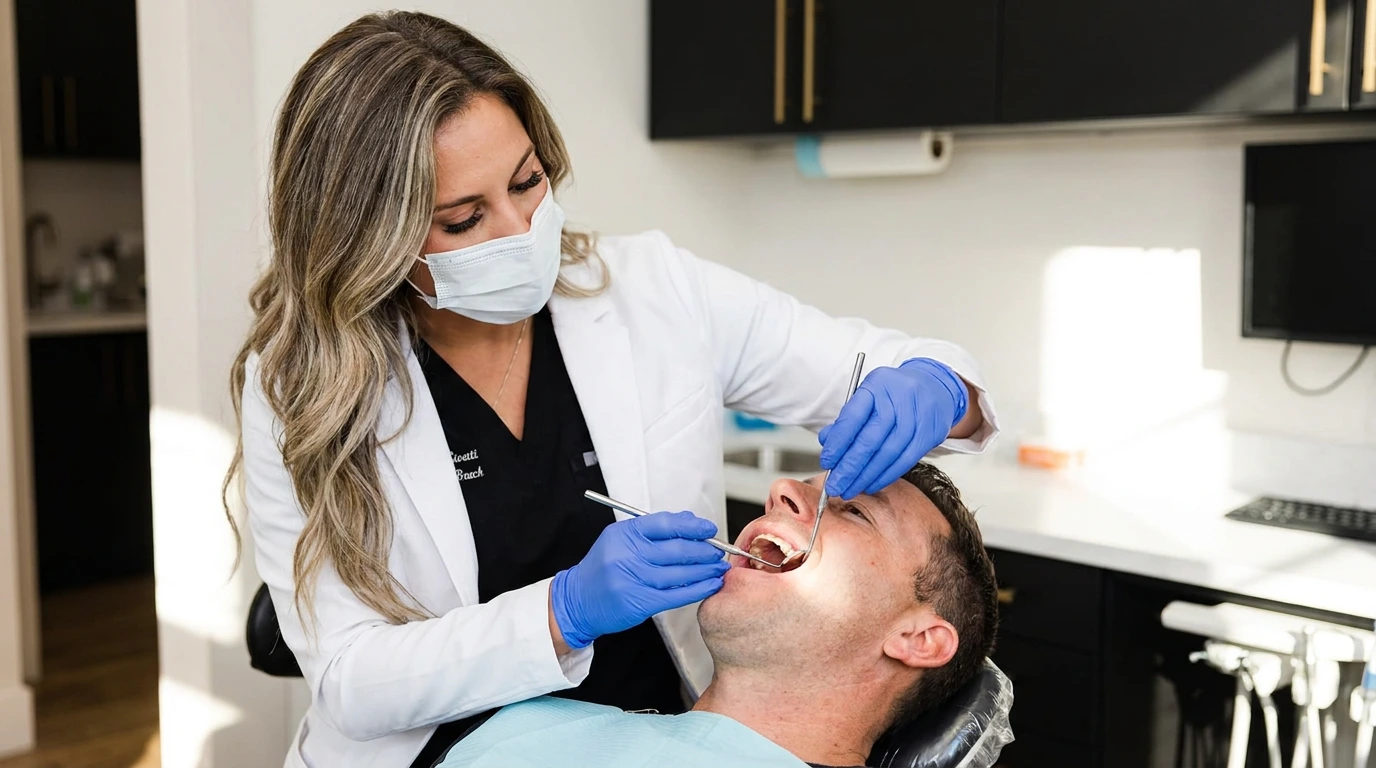
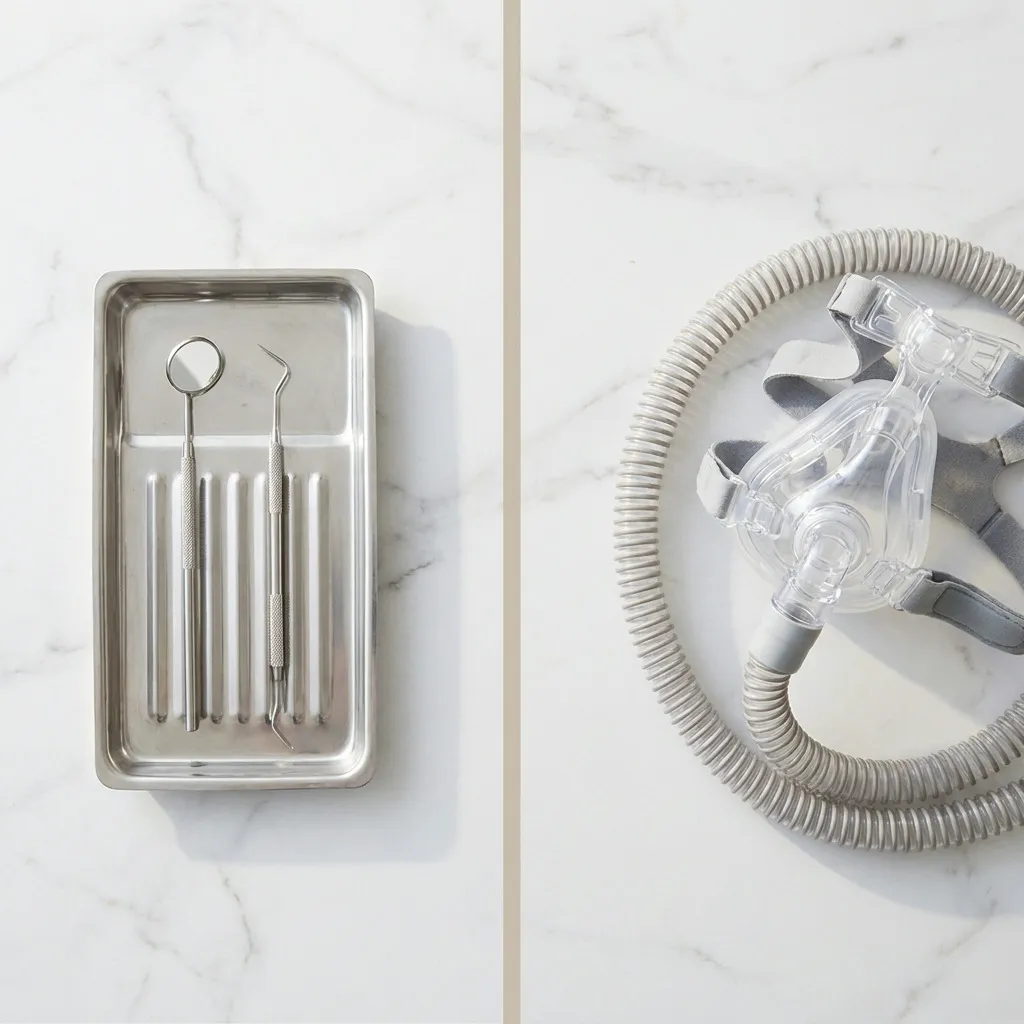
Dentists work collaboratively with medical sleep physicians rather than diagnosing sleep apnea independently. A physician interprets diagnostic sleep testing, while an airway-focused dentist examines your oral structures and fabricates custom oral appliances. This team approach helps patients receive an accurate diagnosis and a well-coordinated care plan.
4. Who is a candidate for oral appliance therapy?
Adults with primary snoring or mild to moderate obstructive sleep apnea are often good candidates for oral appliance therapy. Patients who struggle with traditional mask-based machines frequently prefer the comfort and portability of a custom device. A thorough airway examination determines if your oral anatomy is well-suited for this treatment.
5. What causes airway obstruction during sleep?
Airway obstruction occurs when muscles in the throat relax excessively during deep sleep, allowing the tongue and soft palate to sag backward. Contributing factors can include a narrow dental arch, a retruded lower jaw, enlarged tonsils, or natural tissue anatomy. When airflow becomes restricted, oxygen levels drop and sleep quality suffers.
6. How long does it take to adjust to an oral sleep appliance?
Most patients adapt to wearing a custom oral appliance within several days to a couple of weeks. Because each device is fabricated to your unique mouth contours, it feels secure and minimally intrusive. Dr. Ashley Civetti guides patients through minor adjustments to maintain comfort and support optimal nighttime breathing.