Back to Blogs

Are Dental Implants Right for You?

Dental implants offer a durable and natural-looking solution for missing teeth, provided candidates meet specific health and bone density criteria.

August 6, 2026
2 min read
Samantha, wearing a pink long-sleeved shirt, smiles down at a white dental crown resting in her open palm as she leans on a wooden table in a kitchen.
Back to Blogs
Samantha, wearing a pink long-sleeved shirt, smiles down at a white dental crown resting in her open palm as she leans on a wooden table in a kitchen.

Are Dental Implants Right for You?

Dental implants offer a durable and natural-looking solution for missing teeth, provided candidates meet specific health and bone density criteria.

August 6, 2026
2 min read

Considering Dental Implants for Tooth Replacement?

Dental implants are an excellent option for replacing missing teeth, offering a durable and natural-looking solution that can significantly improve oral health and quality of life.

They are suitable for individuals who have lost one or more teeth due to decay, injury, or gum disease, provided they meet specific health and bone density criteria. Before proceeding, Pearl Palm Beach Dental assesses each patient thoroughly to determine the most appropriate course of treatment.

A successful dental implant procedure relies on several factors, including sufficient jawbone to support the implant and good overall health. Dr. Ashley Civetti will conduct a comprehensive evaluation to ensure that this treatment aligns with your needs and health profile, making sure you understand all aspects of the process.

Seven people, including two women in white lab coats, stand and sit in a modern dental waiting area with large windows, smiling and conversing.

What Makes a Good Dental Implant Candidate?

Ideal candidates for dental implants generally possess good overall health, sufficient jawbone density, and healthy gum tissue free from active periodontal disease.

These factors are crucial for the long-term success and stability of the implant. Dr. Ashley Civetti at Pearl Palm Beach Dental carefully evaluates each patient to confirm these foundational requirements, ensuring the best possible outcome for your tooth replacement journey.

Key characteristics for successful dental implant candidacy include:

  • Adequate Bone Structure: The jawbone must have enough density and volume to securely hold the implant post. If bone is insufficient, a bone graft may be necessary to build up the site.
  • Healthy Gums: Gums should be free of gum disease, as active infection can compromise the implant's integration with the bone.
  • Good Overall Health: Chronic diseases like uncontrolled diabetes or certain autoimmune disorders can affect healing. It’s important to discuss your full medical history with Dr. Civetti.
  • Non-Smoker: Smoking can significantly impede the healing process and increase the risk of implant failure, making it a less favorable factor for candidacy.
  • Commitment to Oral Hygiene: Patients must be willing to maintain excellent daily oral hygiene and attend regular dental check-ups to protect their investment.
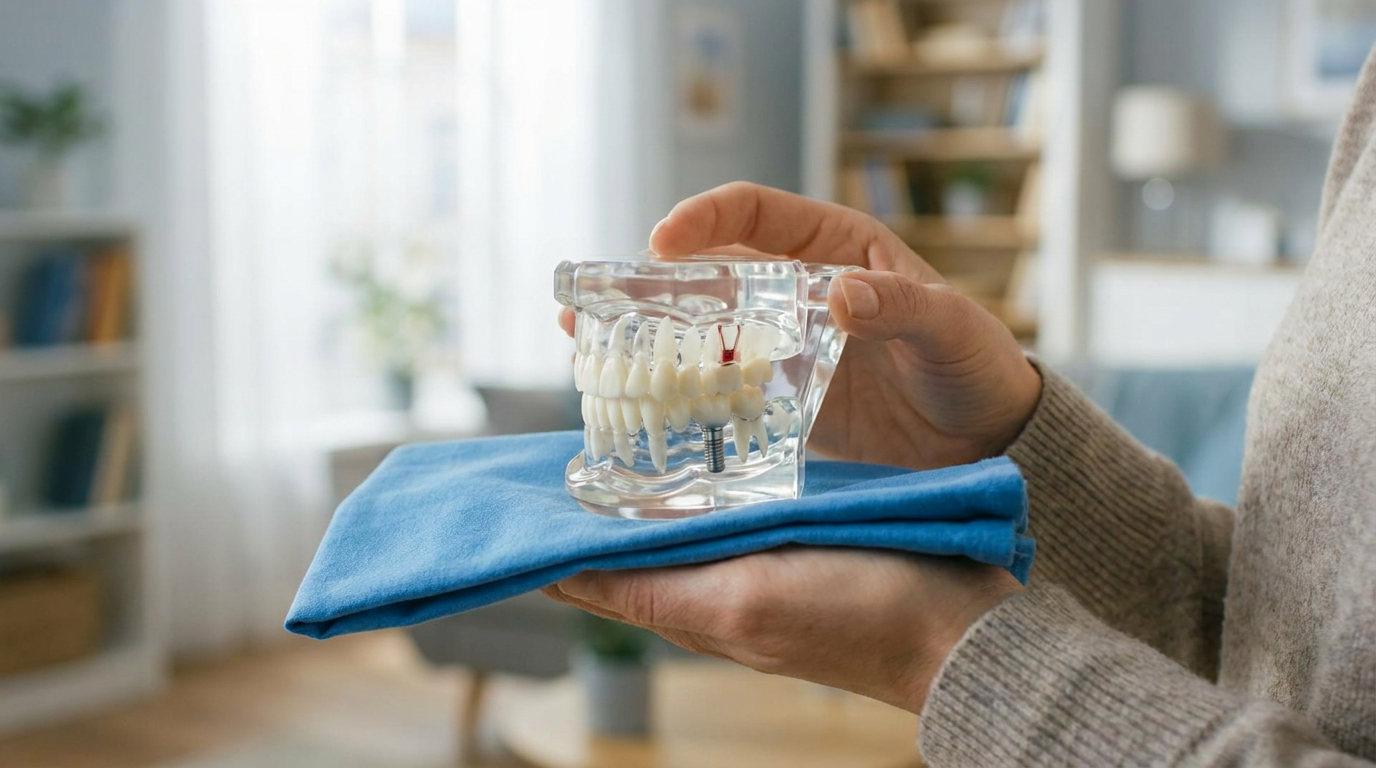
A person wearing a light brown sweater holds a transparent dental model with a dental implant on a blue cloth in a brightly lit room.

How Do Implants Compare to Dentures and Bridges?

Dental implants offer superior longevity, stability, and oral health benefits compared to traditional dentures and bridges, as they integrate directly with your jawbone.

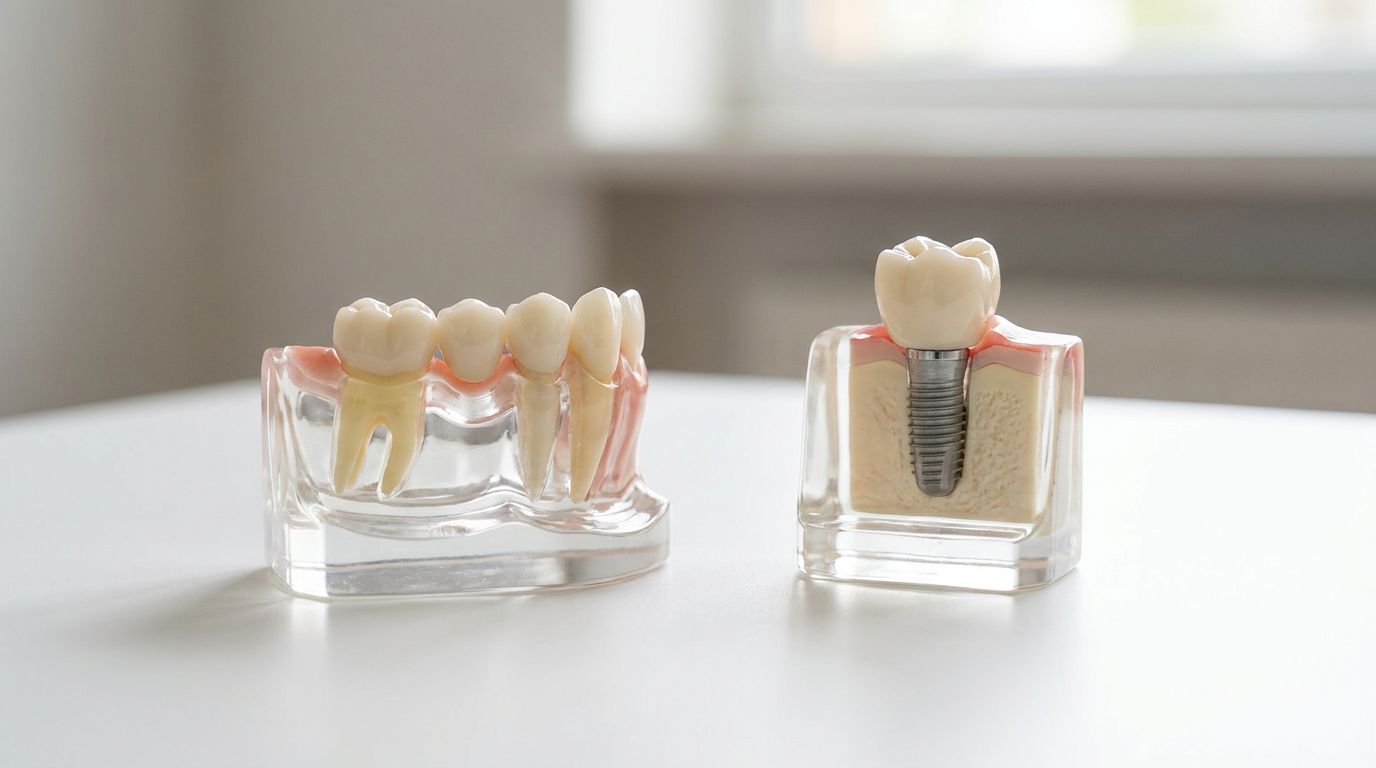
While dentures and bridges are viable options for tooth replacement, implants provide a more permanent solution that feels and functions much like natural teeth. This integration prevents bone loss, which often occurs with other options.

Here’s a comparison of these tooth replacement solutions:

  • Longevity and Durability: Dental implants are designed to last many years, often a lifetime, with proper care. In contrast, dentures typically need relining or replacement every 5-10 years, and bridges usually last 7-15 years.
  • Bone Health Preservation: Implants stimulate the jawbone, preventing the bone loss that often accompanies missing teeth. Both dentures and bridges, which sit on the gums or rely on adjacent teeth, do not offer this benefit, leading to potential facial structure changes over time.
  • Stability and Comfort: Implants are permanently fused with the bone, offering unmatched stability for eating and speaking. Dentures can slip, and bridges can sometimes feel less secure.
  • Maintenance: Implants are cared for just like natural teeth with regular brushing, flossing, and dental check-ups. Bridges require special flossing techniques, and dentures need daily removal and cleaning.
  • Impact on Adjacent Teeth: Dental implants stand alone and do not require altering neighboring healthy teeth, unlike traditional bridges which necessitate reshaping adjacent teeth for support.
Two dental models sit on a white surface, one showing a bridge with three teeth and the other a cross-section of a single dental implant.

What If I Have Bone Loss?

If you have experienced bone loss in your jaw, you may still be a candidate for dental implants through bone grafting procedures, which rebuild the necessary bone structure.

Bone loss can occur due to missing teeth, gum disease, or trauma, and it is a common concern for those considering implants. Fortunately, advancements in dental technology, including services available at Pearl Palm Beach Dental, allow Dr. Ashley Civetti to address these challenges effectively. She will thoroughly evaluate your bone density using advanced imaging to determine if a bone graft is needed. This procedure strengthens the implant site, making it suitable for long-term implant success.

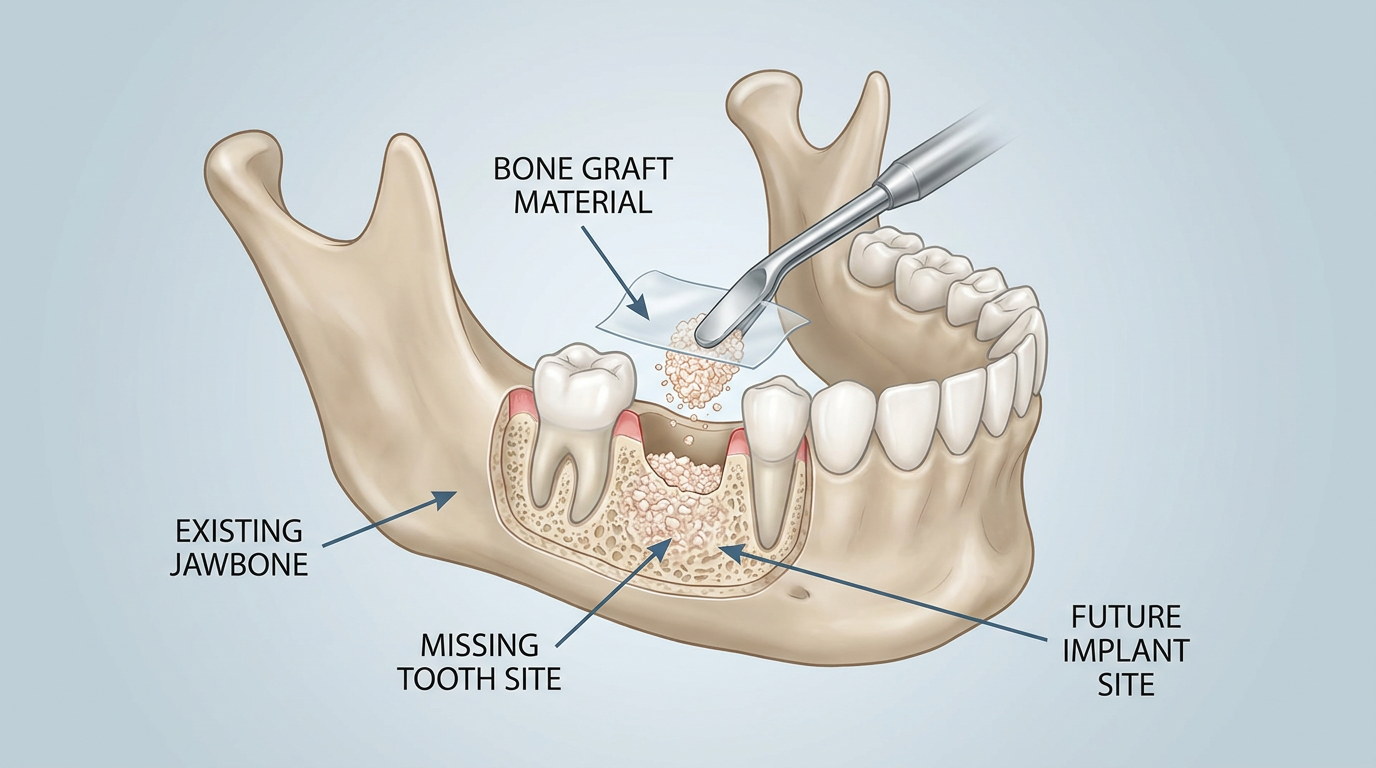
Bone grafting involves transplanting bone material to the jaw, which then integrates with your natural bone over several months. This process creates a sturdy foundation for the implant post, ensuring its stability. Dr. Civetti will explain all aspects of bone grafting if it's determined to be necessary, including the types of grafts available and the healing timeline. The goal is always to achieve a strong, lasting foundation for your dental implant.

An illustration shows a cross-section of a lower jawbone with teeth, where bone graft material is being added to a missing tooth site in preparation for a future implant.

Ready to Learn More About Dental Implants?

If you're considering dental implants, contact Pearl Palm Beach Dental in Royal Palm Beach, FL, to schedule your personalized consultation with Dr. Ashley Civetti.

What Is the Dental Implant Process Like?

The dental implant process typically involves several stages: initial consultation and planning, surgical placement of the implant post, a healing period, and finally, attachment of the prosthetic tooth.

Each stage is carefully managed by Dr. Ashley Civetti and her team at Pearl Palm Beach Dental to ensure a smooth and successful outcome. The journey begins with a thorough examination and personalized treatment plan.

The general steps for receiving a dental implant include:

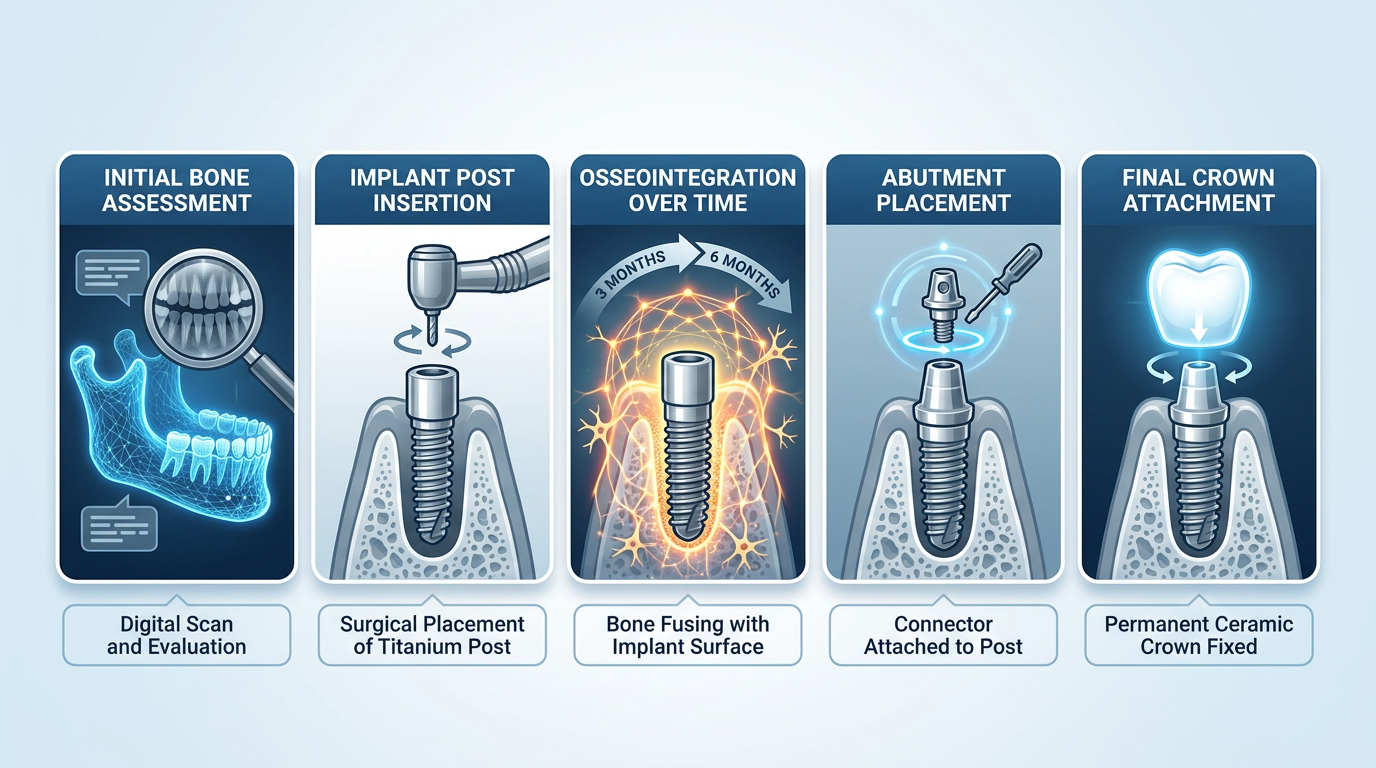
  • Comprehensive Examination and Planning: Dr. Civetti performs a detailed assessment, including X-rays and 3D imaging, to evaluate your oral health, bone density, and determine the optimal implant placement. A personalized treatment plan is then created.
  • Implant Placement Surgery: During a minor surgical procedure, the titanium implant post is surgically placed into your jawbone. This is typically done under local anesthesia, with options for additional sedation to ensure your comfort.
  • Osseointegration (Healing Period): Following surgery, a critical healing period of several months begins. During this time, the implant post fuses with your jawbone in a process called osseointegration, creating a strong and stable foundation.
  • Abutment Placement: Once osseointegration is complete, a small connector piece called an abutment is attached to the implant post. This piece will hold the final crown.
  • Crown Placement: After the gums heal around the abutment, a custom-made crown (or bridge, or denture, depending on your All-on-X® Dental Implants or individual implant needs) is securely attached. This restoration is designed to match your natural teeth in color, shape, and size.
An infographic displays five stages of a dental implant process: initial bone assessment, implant post insertion, osseointegration over time, abutment placement, and final crown attachment.

How Long Does Dental Implant Treatment Take?

The entire dental implant treatment process, from initial consultation to final crown placement, typically spans 4 to 9 months, though individual timelines can vary based on complexity and healing rates.

This duration includes critical healing phases, particularly the osseointegration period where the implant fuses with the jawbone. At Pearl Palm Beach Dental, Dr. Ashley Civetti ensures that each step is completed thoroughly and precisely, prioritizing the long-term success of your implant. Factors such as the need for bone grafting or tooth extractions will extend the overall timeline. She will provide you with a clear estimated timeline during your initial consultation.

During the healing period, temporary restorations can often be used so you don't have to go without teeth. The team at our Royal Palm Beach office will keep you informed at every stage, ensuring you understand the progress and what to expect next. While the process requires patience, the lasting benefits of a stable and natural-looking tooth replacement are well worth the investment.

A desk calendar showing months January through September sits on a light wooden surface next to an hourglass with sand in both bulbs.

What About Maintenance and Aftercare for Implants?

Maintaining dental implants involves the same diligent oral hygiene practices as natural teeth, including daily brushing, flossing, and regular professional dental check-ups and cleanings.

Proper aftercare is crucial for the long-term success and longevity of your dental implants. Dr. Ashley Civetti and the team at Pearl Palm Beach Dental will provide comprehensive instructions on how to care for your new implants to ensure they remain healthy and functional for many years.

Key aspects of dental implant aftercare include:

  • Daily Oral Hygiene: Brush your implants twice a day with a soft-bristled toothbrush and non-abrasive toothpaste. Floss daily, paying special attention to the areas around the implant, using dental floss or specialized interdental brushes.
  • Regular Dental Check-ups: Visit Pearl Palm Beach Dental for routine Dental Cleanings, Exams & X-Rays every six months. These appointments allow Dr. Civetti to monitor the health of your implants, gums, and surrounding teeth, and address any potential issues early.
  • Avoid Hard and Sticky Foods: While implants are strong, it's wise to avoid excessively hard or sticky foods that could potentially damage the crown or affect the implant.
  • Address Issues Promptly: If you experience any pain, swelling, or looseness around your implant, contact Pearl Palm Beach Dental immediately. Early intervention can prevent minor issues from becoming significant problems.
  • Protective Appliances: If you clench or grind your teeth, Dr. Civetti may recommend a nightguard to protect your implants and natural teeth from excessive forces.
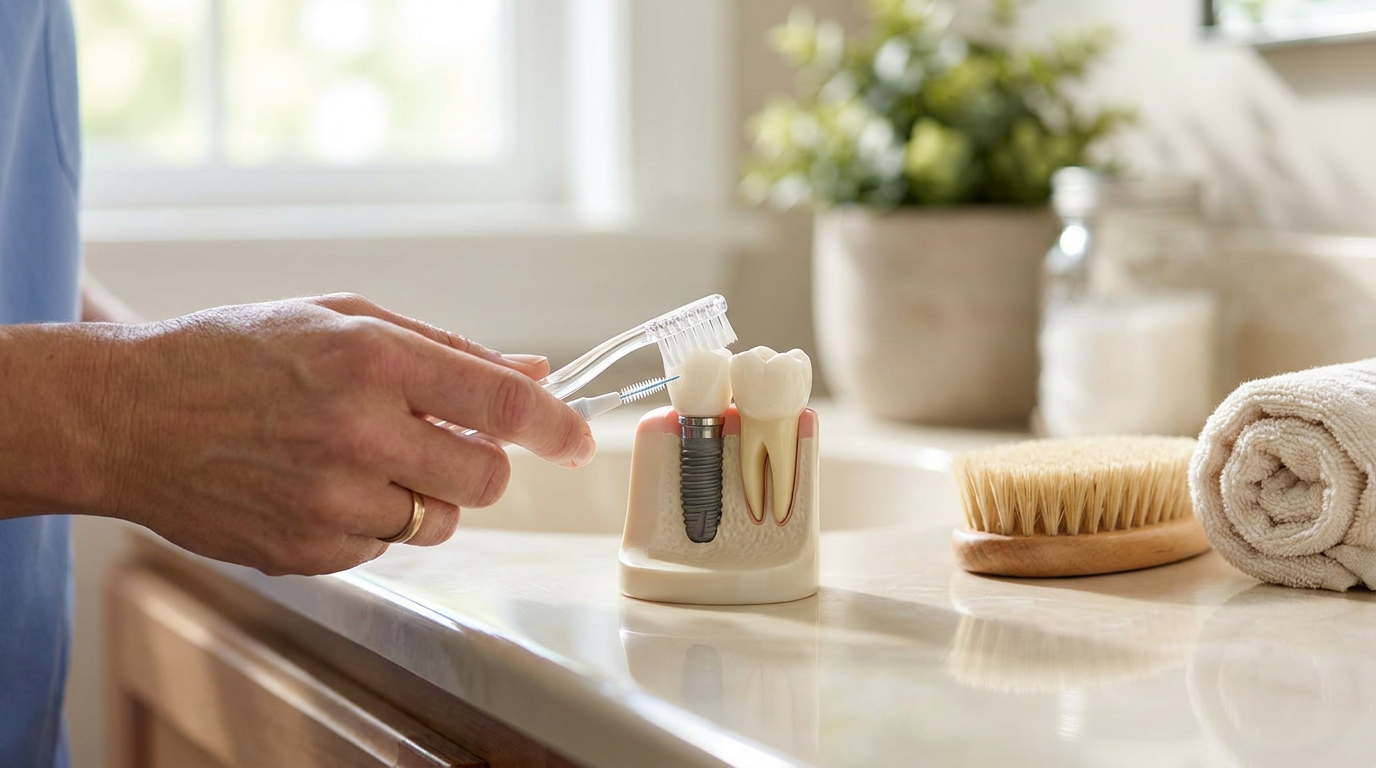
A hand holds a toothbrush and interdental brush to clean a dental implant model on a bathroom counter with a rolled towel, a brush, and a plant in the background.

What This Means for You

Considering dental implants is a significant step towards restoring your smile and oral health. At Pearl Palm Beach Dental, Dr. Ashley Civetti and her dedicated team are committed to guiding you through every stage of this transformative process. From the initial assessment of your candidacy to the final placement of your custom restoration, we prioritize your comfort, understanding, and optimal outcomes. Whether you're missing a single tooth or require comprehensive All-on-X® Dental Implants for a full arch replacement, our Royal Palm Beach office offers personalized care tailored to your unique needs.

We understand you may have questions regarding the suitability, process, and long-term care of dental implants. Dr. Civetti's expertise ensures that all your concerns are addressed with clarity and compassion. Investing in dental implants means choosing a durable, natural-looking, and functional solution that can dramatically enhance your quality of life. We invite you to explore how this advanced restorative option can benefit you.

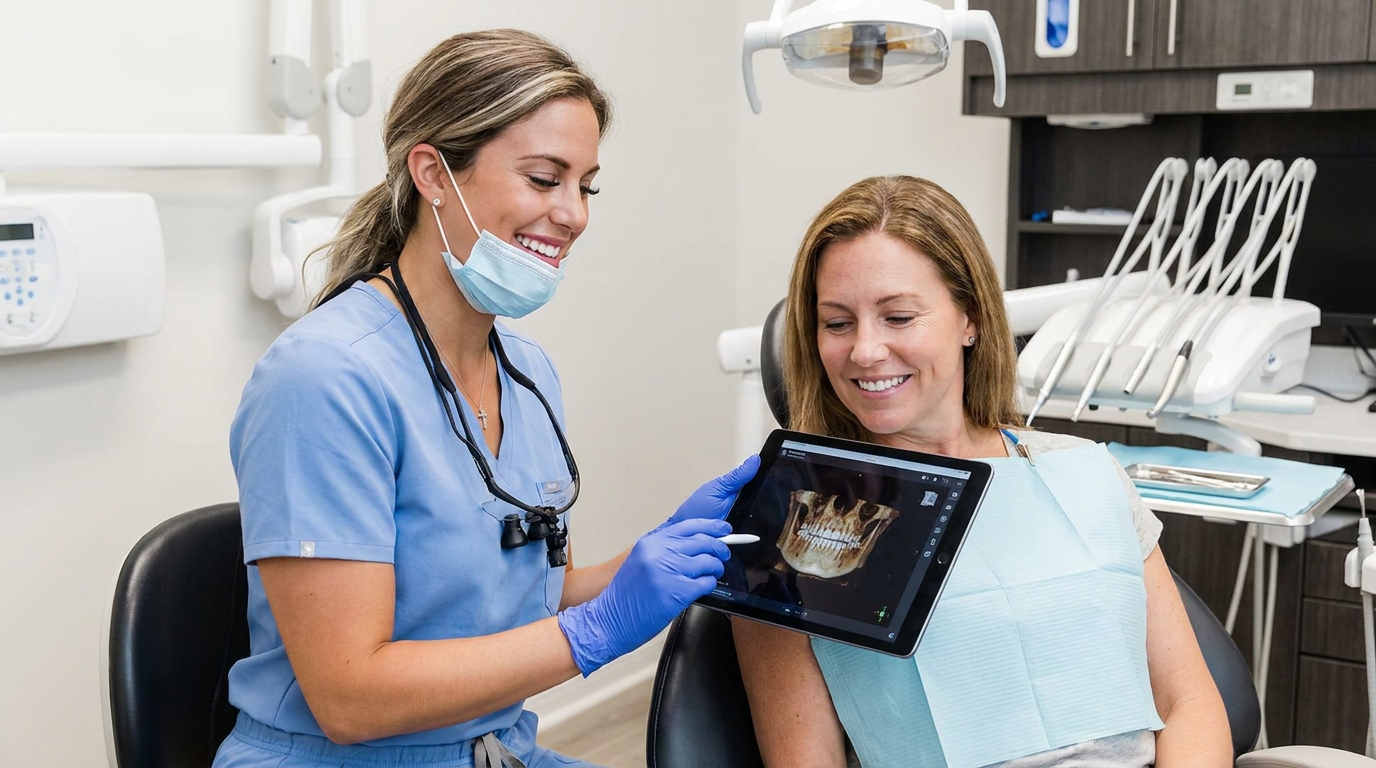
Dr. Ashley Civetti, wearing a light blue scrub top, a face mask, and blue gloves, points to a 3D dental scan on a tablet for a patient in a dental chair.
Categories:
No items found.

Frequently Asked Questions

1. Are dental implants right for everyone?
No, dental implants are not right for everyone; candidacy depends on factors like bone density, gum health, and overall medical history, assessed by Dr. Ashley Civetti.

2. How long do dental implants last?
With proper care and oral hygiene, dental implants can last many years, often a lifetime, making them a durable tooth replacement solution.

3. Is the dental implant procedure painful?
The dental implant procedure is typically performed under local anesthesia, so you should not feel pain during the surgery. Post-operative discomfort is usually manageable with medication.

4. Can dental implants be rejected by the body?
True rejection of a dental implant is rare; however, in some cases, osseointegration (fusion with the bone) may not occur, leading to implant failure.

5. How much do dental implants cost?
The cost of dental implants varies based on factors like the number of implants, the need for bone grafting, and the type of restoration. A personalized quote requires a consultation.

6. Can I get dental implants if I have gum disease?
Active gum disease must be treated and brought under control before you can receive dental implants to ensure the success and longevity of the implant.

7. How do I clean my dental implants?
You clean dental implants just like natural teeth: by brushing twice daily, flossing daily, and attending regular professional dental cleanings.

8. What is osseointegration?
Osseointegration is the critical biological process where the titanium dental implant post fuses directly with the jawbone, creating a stable and permanent foundation for the prosthetic tooth.

9. Are there alternatives to dental implants?
Yes, alternatives to dental implants include traditional dental bridges and removable dentures, each with different benefits and considerations for tooth replacement.

10. What if I smoke?
Smoking can significantly impair healing and increase the risk of dental implant failure. Dr. Ashley Civetti will discuss smoking cessation options if you are a smoker considering implants.

related blog posts

Stay Informed with Expert Insights & Tips About Dental Care

Connor, takes a cautious bite of a banana at a kitchen island in morning light.
7.10.2026

Understanding Temporary Veneers and Their Durability

Temporary veneers protect teeth and preview your new smile during the short wait for permanent restorations.

Ashley holds a patient information packet from Pearl Palm Beach Dental on a park bench, looking thoughtfully relieved.
7.10.2026

Finding a Gentle Dentist for Nervous Patients

Discover how Ana finds her gentle dentist for nervous patients at Pearl Palm Beach, transforming her dental anxiety into calm care.

Ashley holds a new lower denture case on her nightstand in her bedroom, a contented look on her face.
7.10.2026

Why Bottom Dentures Feel Different

Bottom dentures often face unique challenges due to limited jaw ridge and tongue interference, but solutions like relines and implant-supported dentures can significantly improve comfort and…